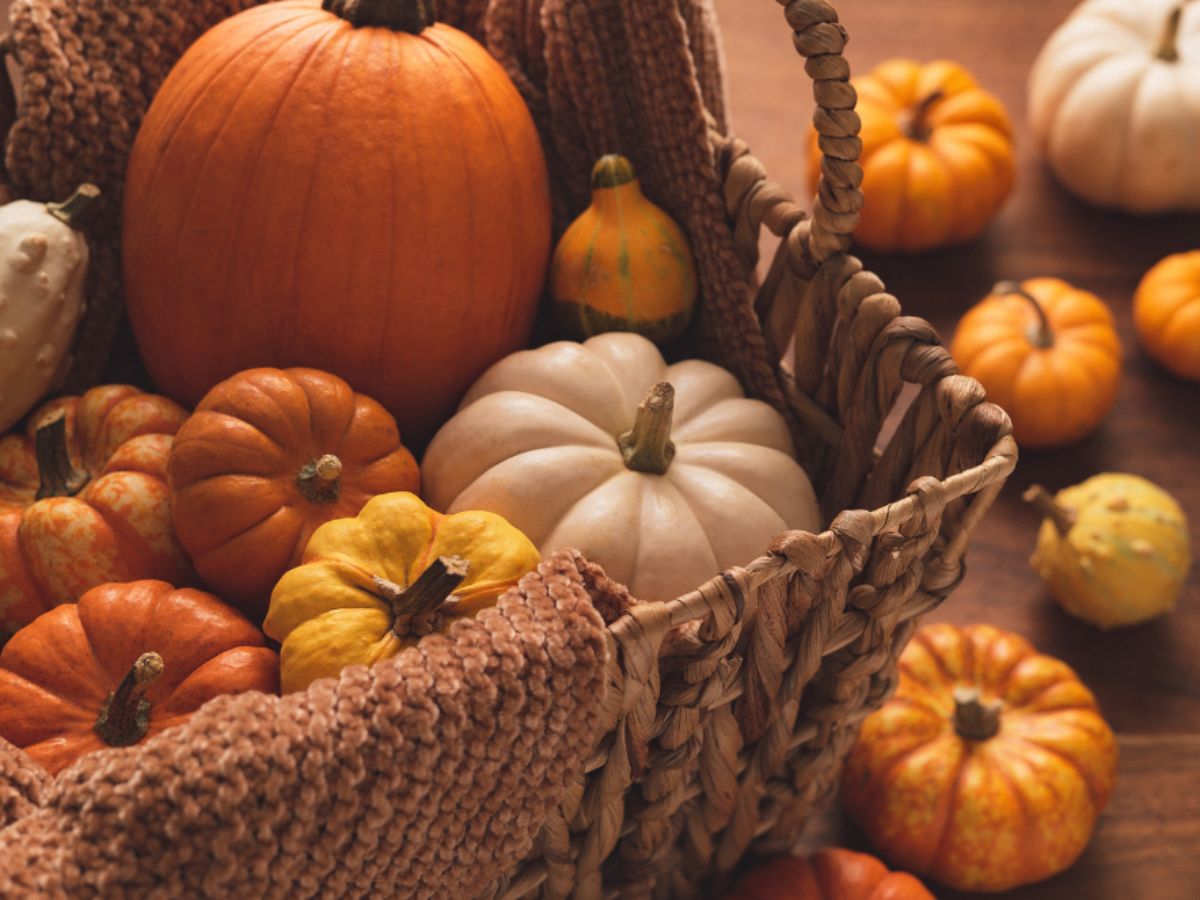
Quick summary
- This vegetable is low in calories, yet high in fiber. So it can be an excellent companion if you want to lose weight.
- In addition, beta-carotene and vitamin A have a beneficial effect on both your eyes and your skin.
- Similarly, potassium and magnesium support the healthy function of your heart.
- What’s more, pumpkin seeds alone are packed with zinc, iron, and healthy fatty acids.
- As a result, 100 to 150 grams a day can easily fit into your diet.
- Finally, here are some pumpkin ideas, so you will never get bored with your meals.
Did you know that pumpkin actually offers far more than what you would expect from a decorative fall symbol? Many people only think of it at Halloween or in a tasty dessert. Yet it is one of our most underrated vegetables. Are you considering a lifestyle change, or simply want to eat healthier? Then you have just found one of your best allies.
In this article, I will show you seven secret benefits. They make it worth putting on your table as often as possible. You will learn how it can help with weight loss and what it does for your skin and heart. Plus, I will show you how to build it into your everyday life.
You do not need to dive into drastic diets or complicated recipes to feel the difference. Instead, simply reach for this widely available vegetable with intention. Then let its nutrients do the work for you.
Why does your diet need pumpkin?
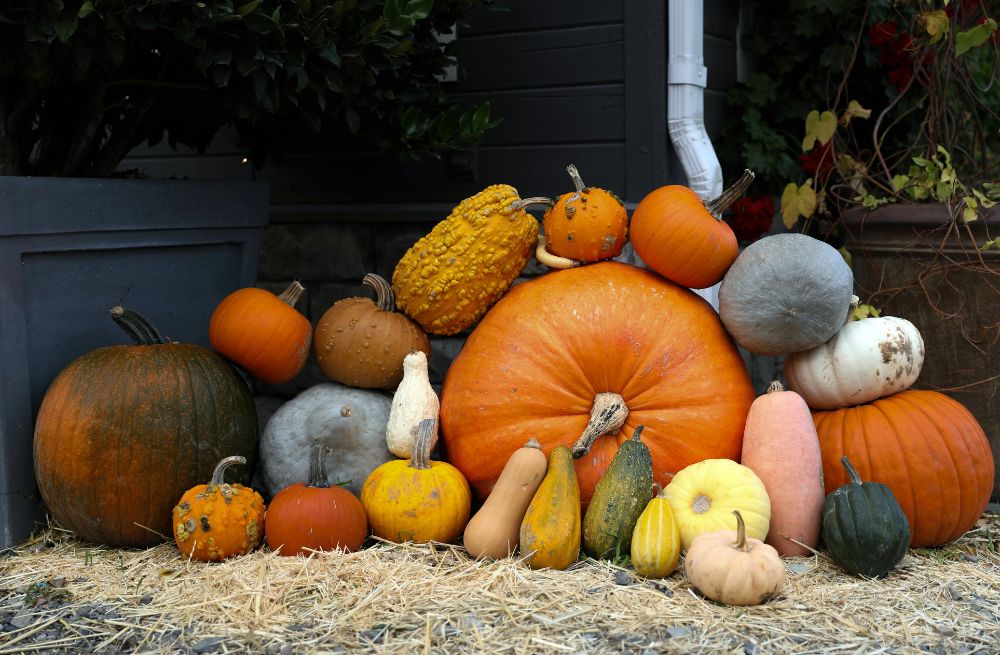
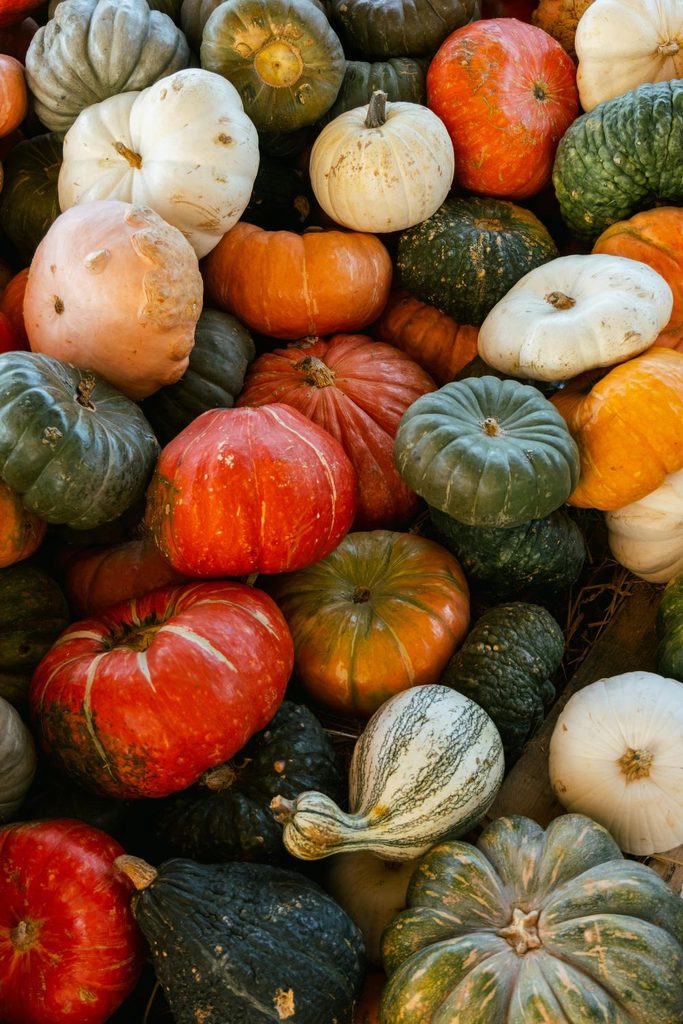
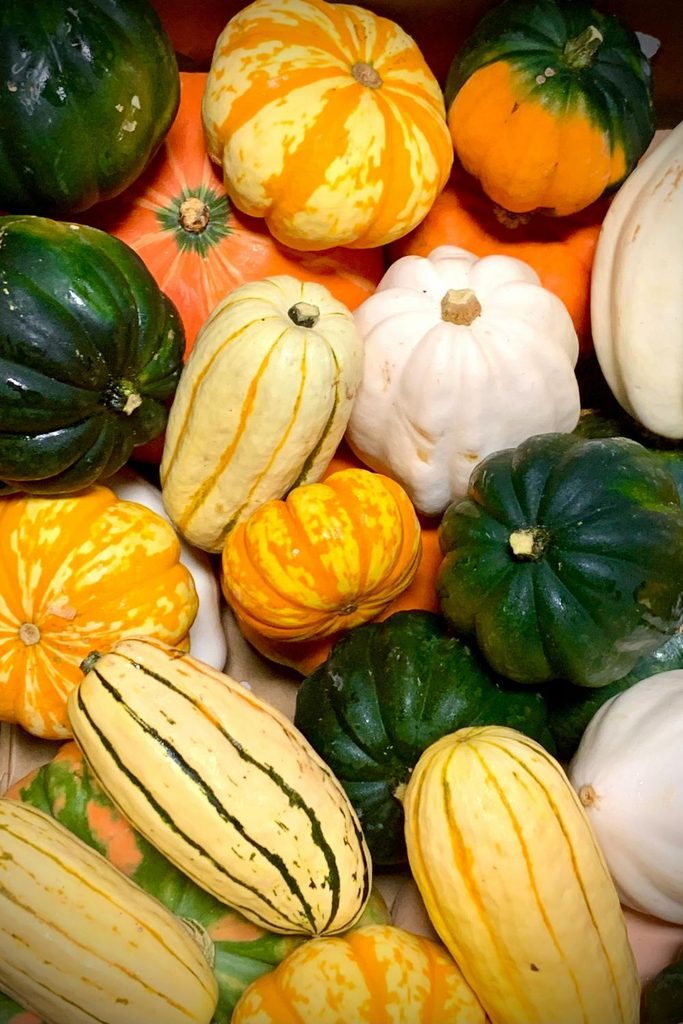
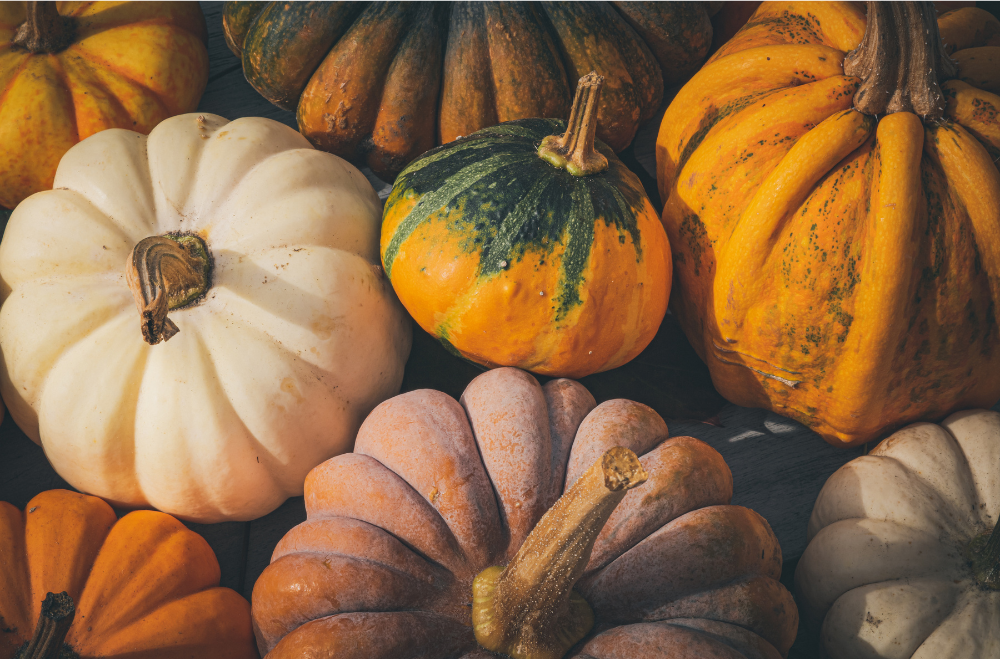
This vegetable belongs to the Cucurbitaceae family, which also includes cucumbers, zucchini, and watermelon, among others. In fact, there are many varieties, from summer squash to orange fleshed pumpkin. Each one is packed with valuable nutrients. Source
The good news is that it hardly matters which variety you choose. Nearly every kind is low in calories and high in fiber and water. That is why pumpkin is a favorite of those who watch their figure. After all, they still do not want to give up filling meals.
7 secret benefits pumpkin offers your body
1. It provides lasting fullness, and supports weight loss
100 grams of pumpkin contains roughly 20 to 45 calories, depending on the variety and preparation. That counts as extremely low. As a result, you can confidently eat a larger portion without upsetting your daily calorie budget. Source
Because of its high fiber content, pumpkin swells in your stomach and provides a lasting feeling of fullness. Consequently, you will feel less hungry until your next meal. This makes it easier to stick to a calorie deficit. On top of that, it has a neutral flavor, so it goes with almost any seasoning. You will never get tired of it. Source
If you are on a diet, it is worth knowing that pumpkin is also rich in potassium. This mineral helps flush out excess water and salt. This dual effect makes pumpkin one of your best allies. It supports both weight loss and a lifestyle change.
2. It helps keep your blood sugar balanced
Pumpkin is a natural carbohydrate source with a low glycemic load. Its glycemic index alone, however, is relatively high. Therefore, if you combine it with protein or healthy fat, your blood sugar will rise much more evenly.
For example, sprinkle it with pumpkin seeds, walnuts, or a little cheese. This way, you stay full even longer. It can fit into your diet even with insulin resistance or diabetes. Just pay attention to what you pair it with. In fact, the liver uses the organic sodium and salt in raw squash juice well. That is why it has long been recommended for diabetics too.
3. It supports your heart’s healthy function
One of the most important minerals in this vegetable is potassium. It supports your acid base balance and helps regulate blood pressure. In addition, its fiber keeps your cholesterol level in check. In the long run, this can reduce the risk of cardiovascular problems.
Similarly, the high linoleic acid content of pumpkin seed oil can also contribute to lowering your blood cholesterol level. So, eat it regularly, whether as seeds or as oil. It is a small but lasting step for your heart’s health. Source
4. It strengthens your immune system
The intense orange color comes from beta-carotene, from which your body produces vitamin A. In turn, vitamin A is essential for communication between cells, which helps your tissues fight off pathogens. Source
Additionally, its vitamin C content also helps your body fight off a cold more quickly. Meanwhile, the zinc in pumpkin seeds further strengthens your immune system. It also protects against oxidative stress.
5. It has a beneficial effect on your digestion
The high fiber and water content is an excellent combination for healthy digestion. Specifically, fiber supports bowel movement, while the high water content keeps stool soft, so it can help prevent constipation.
Furthermore, its prebiotics feed the good bacteria in your gut. Over time, this can improve the balance of your entire digestive system. Is your stomach sensitive? Then eat it boiled, roasted, or pureed, because it is easier to digest that way.
6. It takes care of your eye health
A single cup of cooked pumpkin easily covers more than 100 percent of your recommended daily vitamin A intake. As a result, vitamin A improves your vision, especially in low light. It also protects the cornea on the surface of your eye. Source
Its antioxidants include beta and alpha carotene. They can reduce the risk of age related eye conditions, such as cataracts. Do you spend a lot of time in front of a screen? Then this natural protection can come in handy in the long run.
7. It makes your skin look younger and more radiant
Beta-carotene works from the inside, but its results are visible on the outside too. It helps delay skin aging and reduces sun damage. Meanwhile, vitamins C and E contribute to collagen production, which makes your skin more elastic and youthful.
You can even treat your skin topically with its juice, since its hydrating effect also works from the outside. Given so many beneficial effects, it is no surprise that its extract keeps appearing in more and more beauty products.

How much pumpkin fits into your diet? The numbers that convince
How much goodness is hidden in this vegetable? We have gathered the most important nutritional data into a table. Of course, the exact figures depend on the variety and the preparation method. Still, these approximate numbers clearly show why it is worth eating regularly.
Nutritional value per 100 grams (average, for reference only)
| Nutrient | Amount per 100 g | Why it matters to you |
|---|---|---|
| Energy | approx. 20 to 45 kcal | Because of its low calorie content, you can enjoy it even while dieting |
| Fiber | approx. 1 to 2 g | It provides lasting fullness, and supports your digestion |
| Potassium | approx. 300 to 340 mg | It supports your heart’s function and blood pressure balance |
| Vitamin A (from beta-carotene) | in 1 cup of cooked pumpkin, over 100% of the recommended daily amount | It protects your vision and your skin |
| Vitamin C | in a 1 cup serving, about 20% of your daily requirement | It strengthens your immune system |
| Water content | over 90% | It hydrates, and makes it easy to digest |
As the table shows, this vegetable is a win-win choice from almost every angle. It offers few calories and plenty of nutrients. For this reason, more and more dietitians and nutrition experts recommend it.
Compare these numbers with an average side dish or dessert. You will quickly see how much of a difference it can make in your daily diet. It is no coincidence that many weight loss diets and Mediterranean menus are built around it.
Related Articles:
5 Quick Pumpkin Recipes That Are Perfect for a Busy Weekday
7 Pumpkin Tricks That Can Help You Feel Full Even While Losing Weight
How to choose and store it wisely
Choosing and storing it properly matters just as much as buying it in the first place. Therefore, the tips below will help you bring home the best quality piece every time. Source
- At the market, always choose a tender, smooth skinned piece. A rock hard, overripe one is harder to peel and cook.
- A fresh, greenish stem suggests it was recently picked. So you can buy it with confidence.
- Once peeled and grated, the vegetable freezes well. You can even stock up on it in bags for the entire winter.
- Meanwhile, a whole, unpeeled pumpkin can last 2 to 3 months in a cool, dry pantry without spoiling.
- On the other hand, eat a cut or roasted piece within 2 to 3 days. If that is not possible, freeze it instead.
Pumpkin recipes, pumpkin soup, and pumpkin ideas for the whole week
This vegetable truly deserves its place in your diet. Here are some practical pumpkin ideas to easily vary your meals.
- For breakfast, you can make pumpkin oatmeal, and then top it off with cinnamon and a few walnuts.
- For a snack, a pumpkin muffin is a perfect choice, since it contains only 180 calories per serving.
- Would you rather have a smoothie? Blend roasted pumpkin with a little milk or plant based milk for an energizing snack in minutes.
- As a main dish, a bowl of roasted pumpkin with feta and arugula works wonderfully. You can even serve it with chicken breast.
- As a side dish, you can also puree it. Its creamy texture is perfect with lean meat or fish.
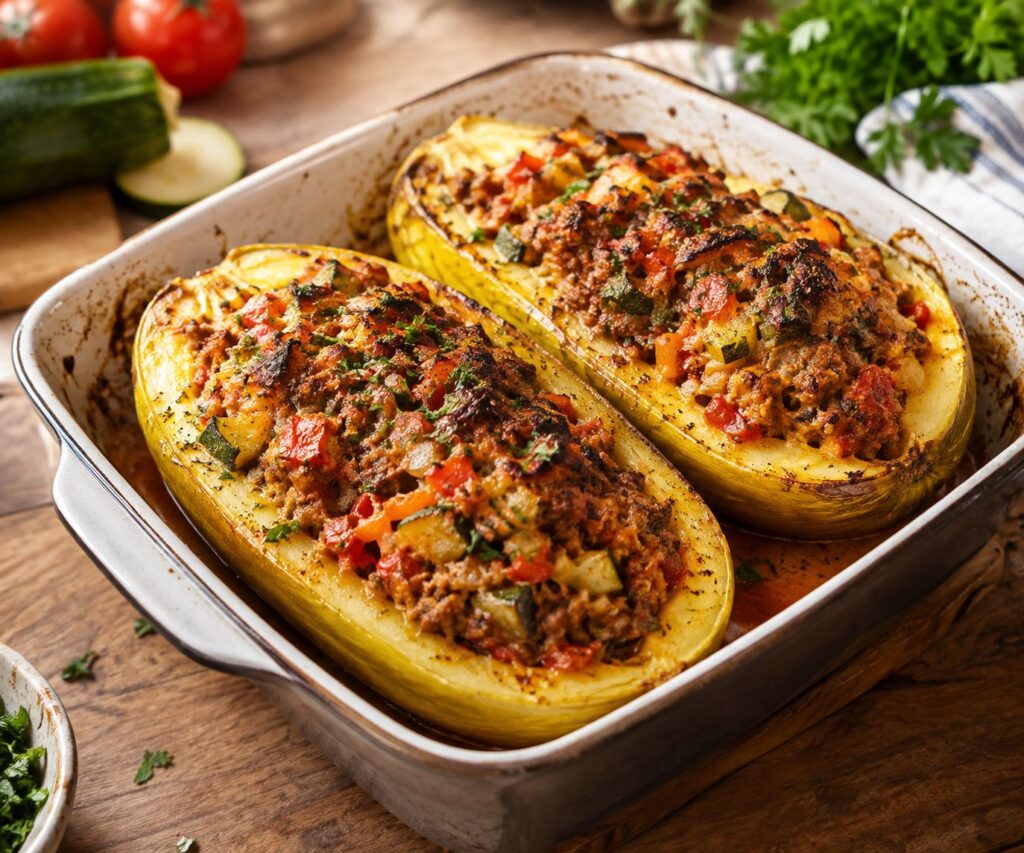
- Craving something more exciting? Try it stuffed with ground meat and vegetable ragu. It is filling, yet not a heavy meal.
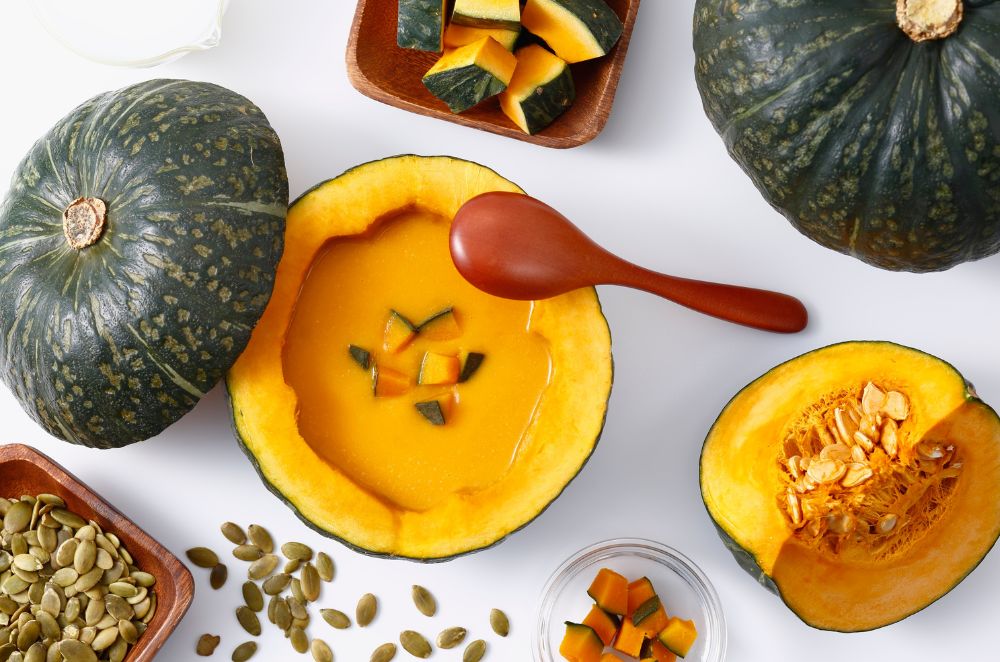
- For dinner, do not rely on pumpkin soup alone, because it digests quickly. Round it out with a little protein, such as cheese or pumpkin seeds.
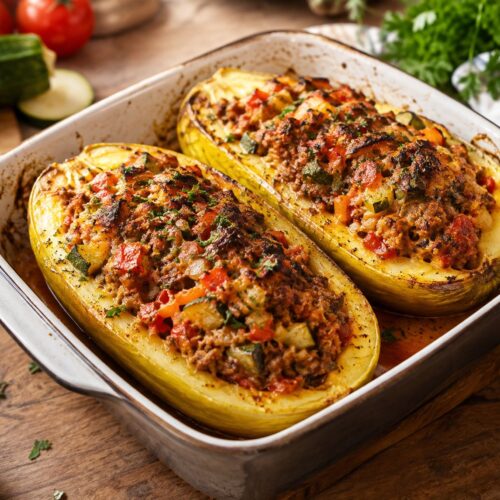
Ground Meat Stuffed Pumpkin
Ingredients
- 350 g ground meat
- 2 eggs
- 1 large squash
- 1 onion
- 1 clove garlic
- 1 bell pepper
- 1 tomato
- 1 zucchini
- 1 tablespoon paprika
- salt
- pepper
Instructions
- First, peel the squash, cut it in half, and then scoop out the inside with a spoon. After that, place the two halves in a baking dish.
- Next, wash and slice the bell pepper, the tomato, and the zucchini.
- Meanwhile, in a bowl, mix the ground meat with the eggs, the grated onion, the finely chopped garlic, the paprika, the salt, and the pepper.
- Then, spread the mixture evenly into the hollowed out squash halves, and surround them with the sliced vegetables.
- After that, pour about 100 ml of water into the baking dish, and then cover it with aluminum foil.
- Finally, slide it into the oven, and bake it at 350°F for about 50 minutes, until both the meat and the squash become tender.
Interesting facts you may not have known
- Spanish sailors brought this vegetable to Europe in the 1500s, and from there it gradually spread across our entire continent.
- Today, we mostly associate it with Halloween. Yet in Hungary it has long been known as dinka, cooking squash, or gentleman’s squash.
- In Hungary, giant pumpkin competitions grow more popular every year, and the largest specimens can weigh several hundred kilograms.
- The squash family also includes cucumbers, zucchini, and watermelon, so it is far from alone in the kitchen.
- In the past, waxy rind varieties were grown specifically for winter. They lasted for months in a cool pantry.
It’s time for pumpkin to become a regular part of your diet
By now, you can see that this vegetable offers far more than you might expect at first glance. It is low in calories and high in fiber and vitamins. That makes it an almost perfect choice, whether you want to lose weight or eat healthier.
So, do not put it off any longer. Put a tender piece in your cart on your next shopping trip, then try one of the pumpkin ideas above. Your body will thank you for it. Losing weight also feels more enjoyable once treats like this become part of your diet.
Related Articles:
5 Quick Pumpkin Recipes That Are Perfect for a Busy Weekday
7 Pumpkin Tricks That Can Help You Feel Full Even While Losing Weight
Do you want a healthy lifestyle to be more than a someday, next Monday plan? Then check out my ebooks and make it part of your everyday life. Inside, you will find tried and tested recipes, clear guides, and plenty of ideas. They help you move forward step by step.
Frequently Asked Questions
Yes, however, if you eat it alone, just as a soup, you will likely get hungry again soon, because it digests quickly. Instead, round it out with a little protein, such as cheese, pumpkin seeds, or a serving of roasted chicken breast, so it remains a perfect choice for dinner too.
For a small meal, 100 to 150 grams is considered an ideal portion, while about 100 grams works well as a side dish for a main meal. This amount easily fits into a calorie deficit diet. However, if you exercise intensely or have a larger body mass, a bit more can fit as well, though it is best to increase the portion gradually.
No, in fact, the opposite is true, since it is low in calories and fat, while its fiber content provides lasting fullness. As long as you do not drown it in sugar, honey, or cream, you can confidently build it into your weight loss diet too.
If you have never cooked with it before, start by making a simple pumpkin soup, because it requires the least amount of practice. Then, as you become more confident, feel free to move on to more complex pumpkin recipes as well, such as the stuffed or roasted versions.
Summary
Pumpkin is far more than a decorative fall symbol. It is a true nutrient powerhouse that supports weight loss, your heart, eyes, skin, and digestion. Now you know that eating it regularly does the most for you. Enjoy it as a soup, a side dish, or a simple breakfast.
So, choose a pumpkin soup variation on the next chilly day, or try one of the pumpkin recipes. Then notice how much better you feel. After all, change begins with a single small step, one shopping trip, and now it is your turn.