Quick summary
- Overall, making matcha macarons is 80% technique and 20% recipe, since most mistakes come from execution, not from the ingredients.
- First, pre-drying the almond flour (at 100°C for 10 minutes) removes excess moisture, which in turn helps prevent cracked feet.
- Also, resting the batter (30 to 60 minutes, depending on the weather) is one of the most commonly skipped, yet essential, steps.
- As for baking temperature, use 150°C in a conventional oven or 135°C in a convection oven, for 15 to 20 minutes.
- Notably, ceremonial grade matcha powder gives the most beautiful emerald green color, while culinary grade results in a more brownish shade.
- Furthermore, this recipe uses the Swiss meringue method, which creates a more stable and predictable batter than the French method.
- In total, the whole process takes about 1 hour, plus an overnight rest in the fridge after assembling.
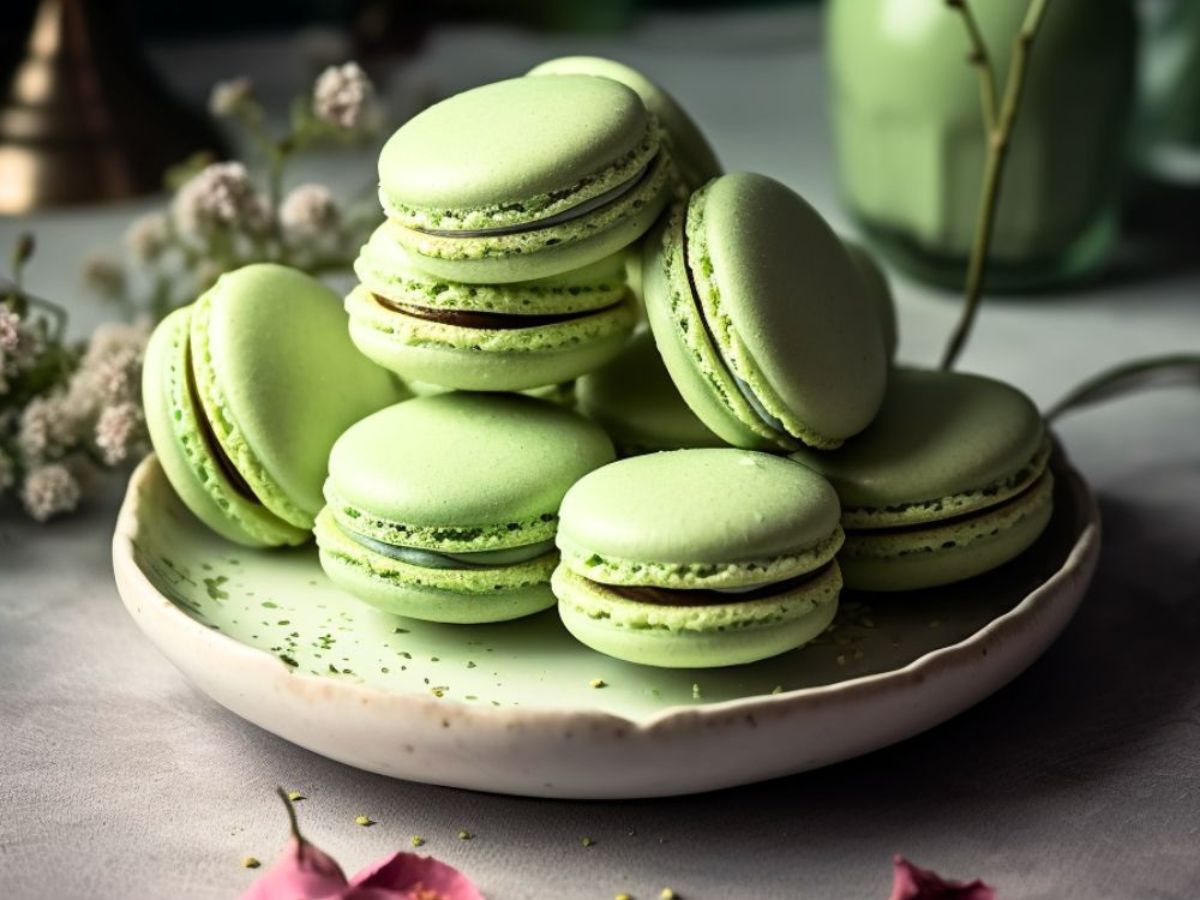
In recent years, matcha macarons have become one of the most popular desserts around, and that’s really no surprise. After all, they bring together the elegance of French pastry with the unique world of Japanese flavors, so they create a truly distinctive and refined treat.
To begin with, macarons are already special on their own: crisp on the outside, soft and creamy on the inside, and additionally, you can make them in endless flavor variations. However, once you enrich the classic recipe with matcha, you end up with an even more exciting and distinctive dessert.
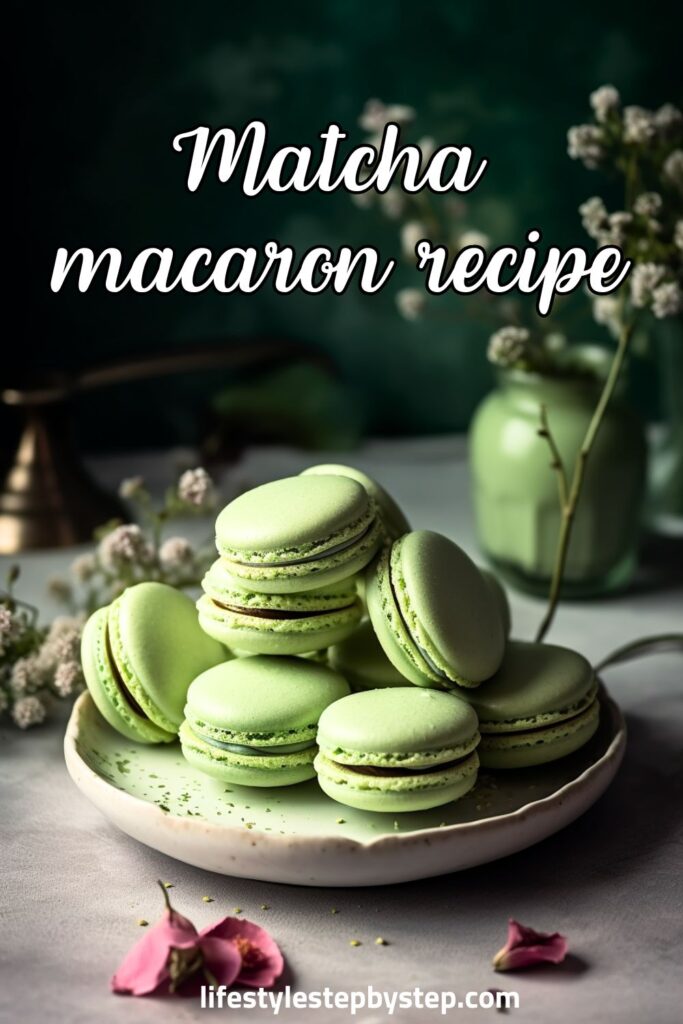
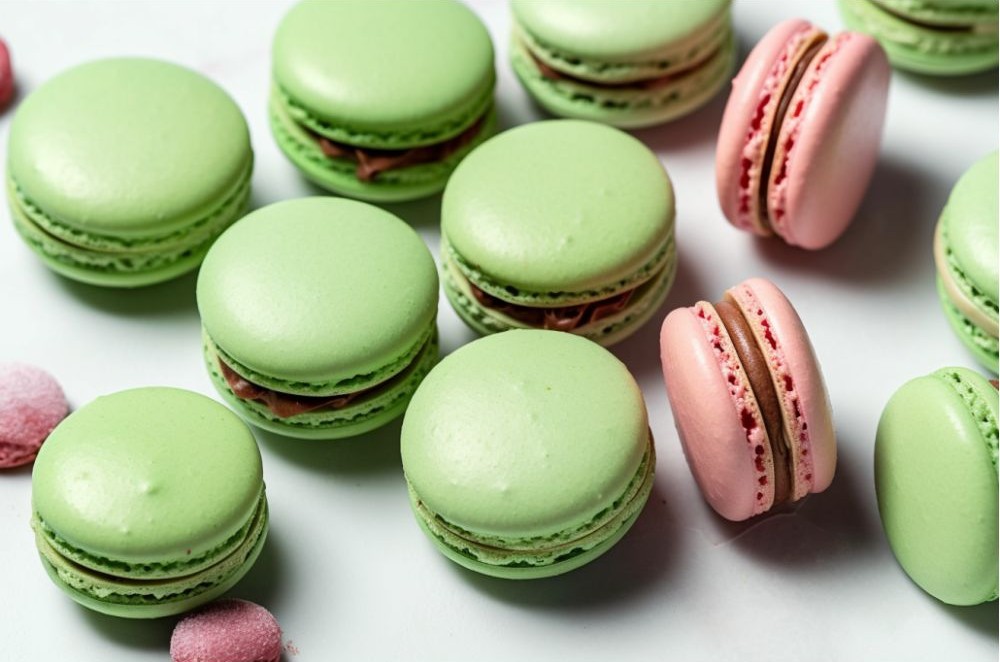
Made with the Swiss method, these macaron shells feature fine matcha powder, which not only gives the cookies a natural green color, but also adds an intense flavor. Meanwhile, a creamy, matcha flavored white chocolate filling complements the crisp shells, so every bite brings out the bold yet elegant character of matcha in perfect harmony.
Prep time: 40 minutes
Cook time: 20 minutes
Total time: 1 hour
Servings: 18 macarons
Why Choose Matcha?
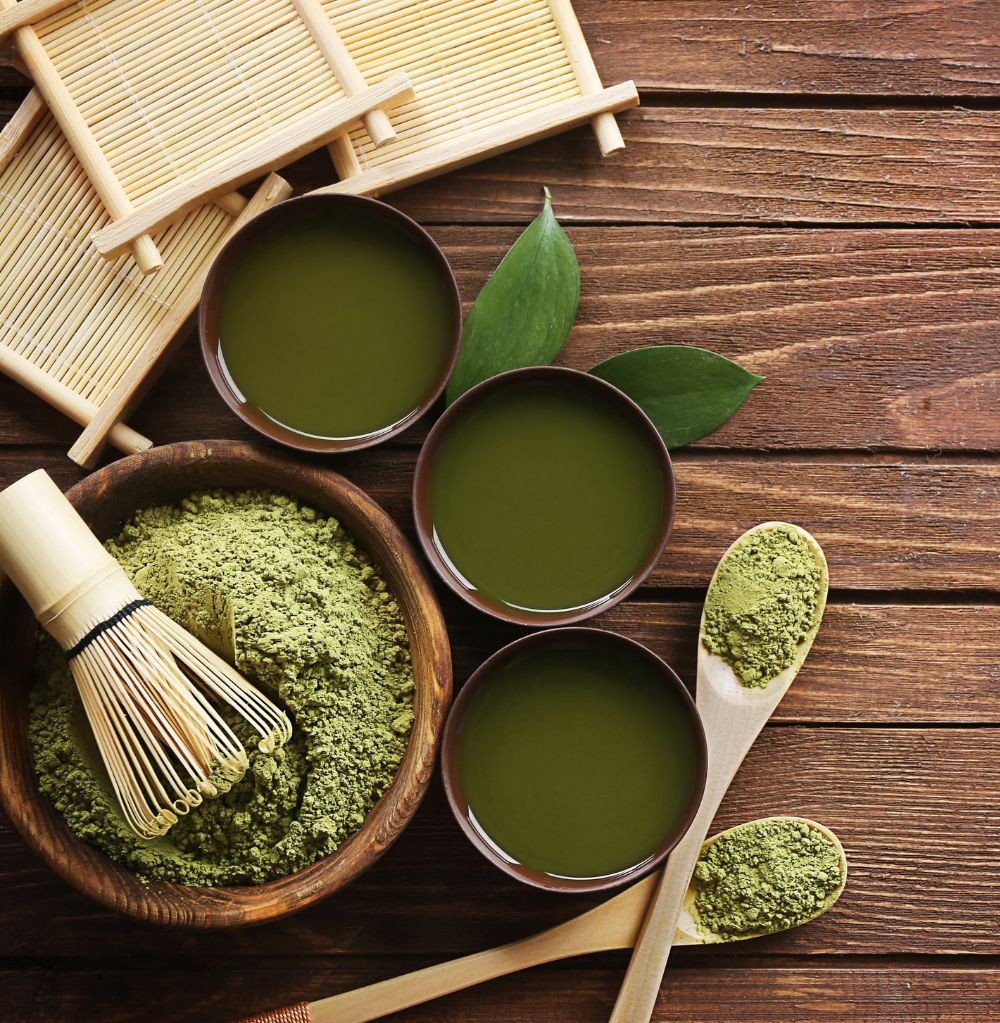
Essentially, matcha is a finely ground tea powder that people traditionally make and drink in Japan. Specifically, growers cultivate the tea leaves using a special method, then grind them into an extremely fine powder using stone mills. As a result, matcha isn’t just great in drinks, it also works wonderfully in desserts, ice cream, and creams.
In desserts, people love matcha not only for its flavor, but also because it adds a naturally vibrant green color to food. Therefore, matcha macarons turn out not just delicious, but visually stunning too, which makes them a perfect choice for festive occasions or elegant dessert tables.
Flavor wise, matcha is quite special: it’s slightly earthy, fresh, and a touch sweet, which pairs wonderfully with white chocolate or vanilla cream. Consequently, macarons made with matcha have a much more complex flavor than the traditional version does. Indeed, a well made matcha macaron creates balance between sweetness and delicate tea aroma in every single bite.
Besides its flavor, many people also consider matcha one of the healthiest tea based ingredients out there. Of course, macarons still remain a dessert either way, but still, adding matcha gives the treat a special little extra. Source
Related Articles:
5 types of Matcha panna cotta — which one will be your new favorite healthy dessert?
Matcha tiramisu recipe you will love and impress everyone with
5 Reasons Matcha Is Especially Popular in Desserts:
- Natural source of energy: for one, matcha contains caffeine, but since your body absorbs it more slowly than the caffeine in coffee, it can provide steadier energy.
- Rich in antioxidants: among green teas, matcha in particular stands out for its exceptionally high antioxidant content.
- Naturally vibrant green color: similarly, matcha powder gives baked goods a beautiful green hue without any artificial coloring.
- Unique, elegant flavor: meanwhile, matcha’s slightly earthy, fresh aroma adds a distinctive character to desserts.
- Highly versatile: ultimately, it works perfectly in creams, batters, ice cream, tiramisu, and of course, macarons.
That said, making matcha macarons can be a real challenge for many people. Notably, macarons demand precise ratios, careful mixing technique, and attention to even the humidity in your kitchen. In fact, even a small mistake can be enough to cause cracking, prevent the signature “feet” from forming, or leave the macarons too flat. This is especially true for the matcha version too, since the texture and moisture content of the powder can also affect how the batter behaves.
Fortunately, though, with a few tried and tested techniques, you can make perfectly smooth, crack free macarons at home too. Specifically, if you pay attention to using the right ingredients, measuring accurately, and applying the correct mixing technique, macaron making becomes much simpler and more predictable.
In this article, therefore, I’ll walk you through the 5 secrets that will help your matcha macarons turn out perfectly smooth, beautiful, and crack free. These tips are especially useful if this is your first time attempting macarons, but even experienced bakers can benefit from them for an even better result.
Ingredients:
For the shells:
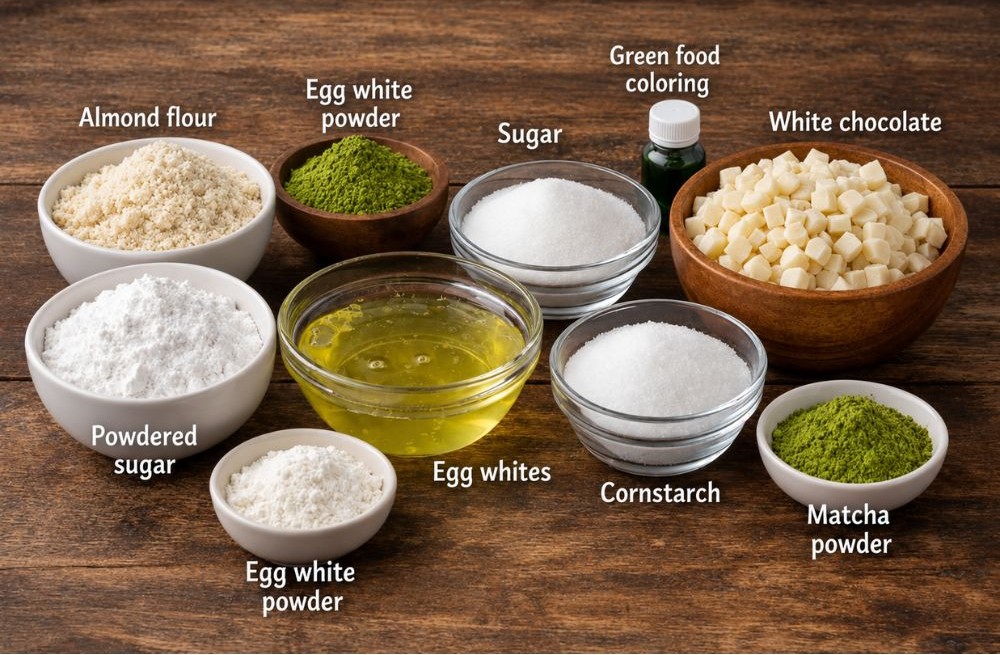
- 105 grams sifted fine almond flour
- 105 grams sifted powdered sugar
- 2 teaspoons matcha powder
- 100 grams egg whites
- 100 grams granulated sugar
- 3 grams (1 teaspoon) egg white powder, also known as meringue powder (optional, but strongly recommended for a better result)
- Green food coloring, optional
Matcha White Chocolate
- 125 grams white chocolate, finely chopped
- 1/3 cup (75 g) heavy cream
- 1 teaspoon matcha powder
Equipment:
- Stand mixer
Preparation:
- First, prepare a baking sheet with parchment paper or a silicone mat.
- Next, in a large mixing bowl, sift the almond flour on a scale until you reach 105 grams, then remove any larger pieces. After that, repeat the process with the powdered sugar, and add the matcha powder as well. Once combined, mix the almond flour, powdered sugar, and matcha together until thoroughly blended, then set the mixture aside.
Making the Batter
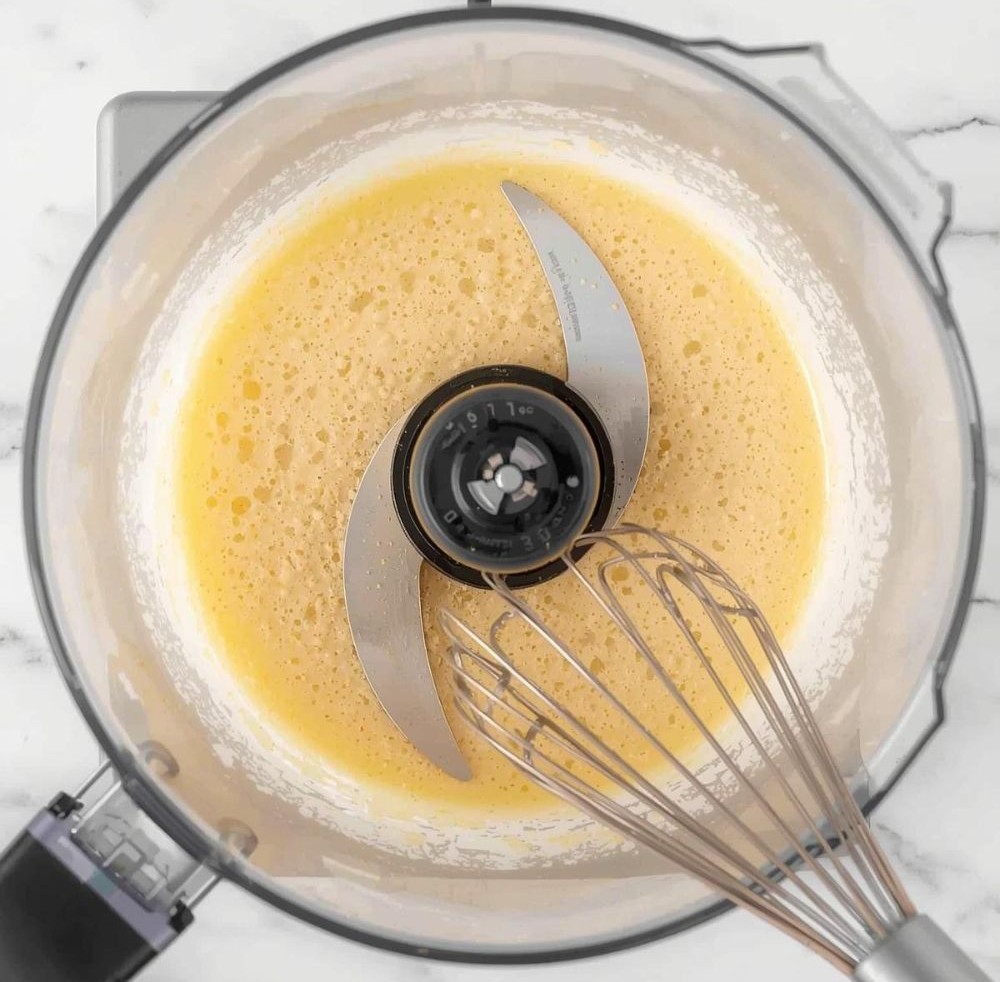
- To begin, place the egg whites, granulated sugar, and egg white powder into the bowl of your stand mixer, then whisk them together. After that, set the bowl over simmering water, making sure it forms a tight seal and that the bottom of the bowl doesn’t touch the water.
- Meanwhile, as the mixture warms over the water, keep whisking continuously, heating it to 60°C. Once it reaches the right temperature, remove the bowl from the heat and transfer it to your stand mixer fitted with the whisk attachment.
- Then, whip the mixture on low speed, and once soft peaks form, increase the speed to medium. As soon as you reach medium peaks, raise the speed to high, and continue whipping on high until stiff peaks form. If you’re using food coloring, add it now, and whip just until incorporated.
- Afterward, remove the bowl from the mixer and place a sifter over it. Pour the dry ingredients into the sifter, then sift them directly onto the meringue. Finally, fold the dry ingredients into the meringue.
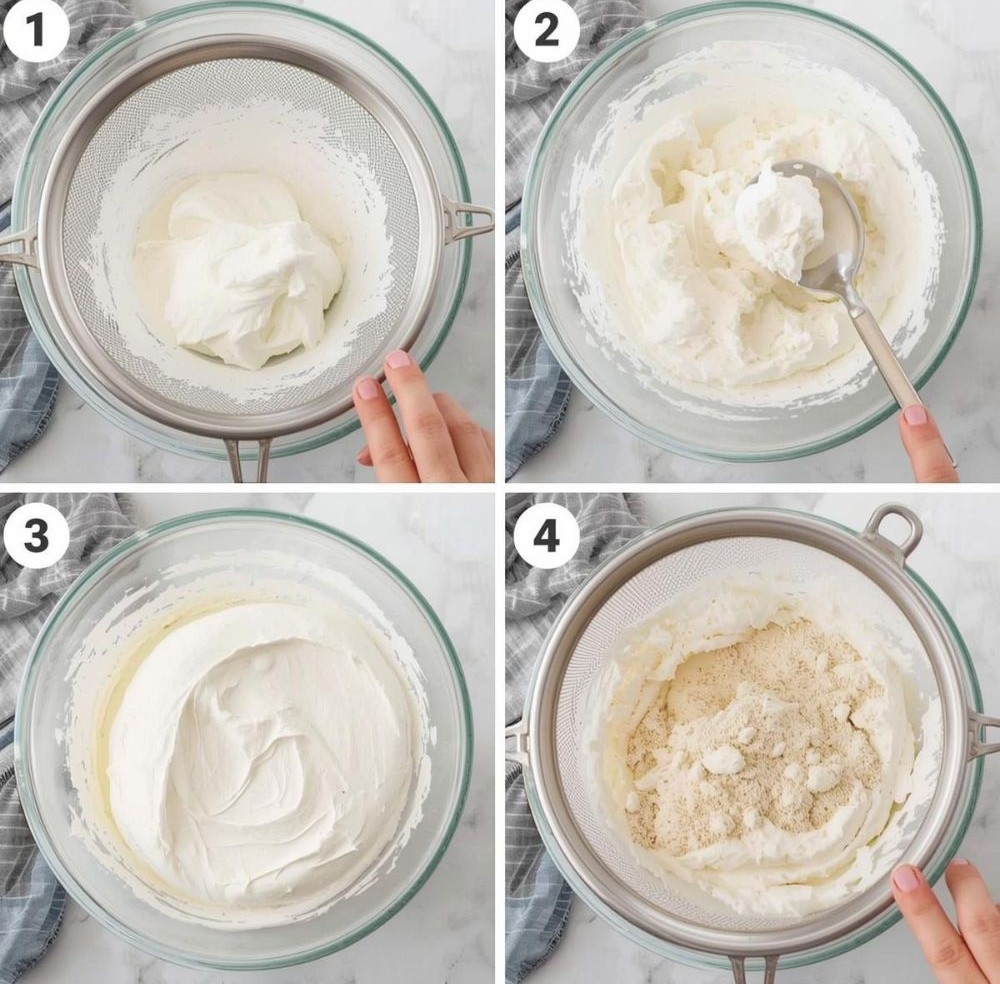
- While folding, be careful not to overmix. Basically, the batter is ready to pipe once it falls off the spatula in a ribbon, without stopping, yet not too quickly either, so it flows off the spatula smoothly rather than breaking apart.
- Once ready, transfer the batter into a piping bag fitted with a medium or large round tip. Then, pipe small circles of batter onto a parchment lined baking sheet. Throughout this step, make sure to hold the piping bag straight and perpendicular to the baking sheet. Also, using a template or a macaron mat makes this process much easier and more reliable. Personally, I aim for macarons about 3 to 4 cm in diameter.
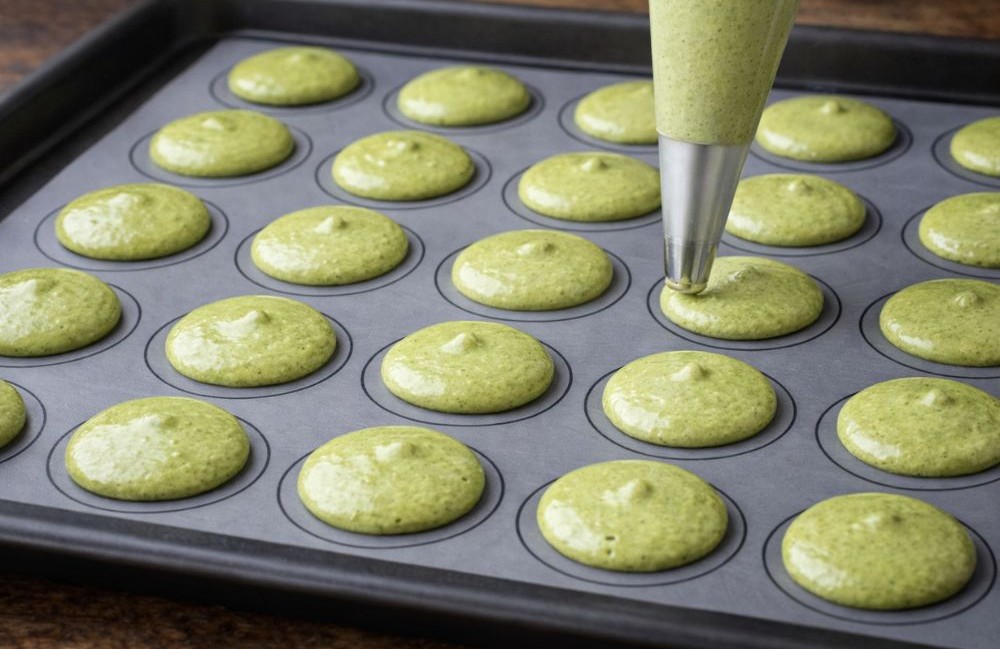
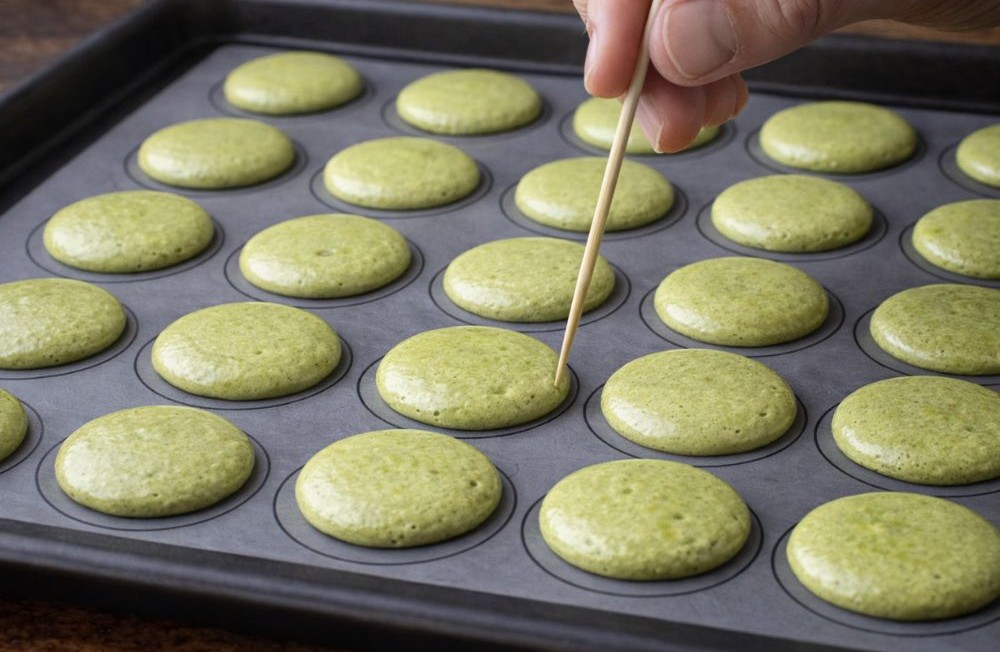
- Next, tap the baking sheet firmly against the counter several times to release any air bubbles from the macarons. If bubbles still remain, gently pop them with a toothpick.
- After that, preheat the oven to 150°C, or 135°C for a convection oven. While the oven heats up, let the macarons sit so a skin can form on top. This skin, in turn, ensures the macarons bake properly. Generally, it takes anywhere from 8 minutes to an hour for the skin to form. You’ll know the macarons are ready to bake once you can gently touch them without the batter sticking to your finger. Throughout this waiting period, keep checking whether the skin has formed, since macarons that are too dry cause just as many problems as ones that aren’t dry enough.
Baking
- First, bake for 15 to 20 minutes. Naturally, the baking time depends on the size of the macarons. After 15 minutes, check them, and if they aren’t ready yet, keep checking every minute after that. Ultimately, the macarons are done once the tops are firm and the bottoms don’t move at all around the edges.
- Afterward, let the macarons cool completely before trying to remove them from the mat. Once cooled, match up the shells into perfect pairs, then set them aside for filling.
Making the Filling
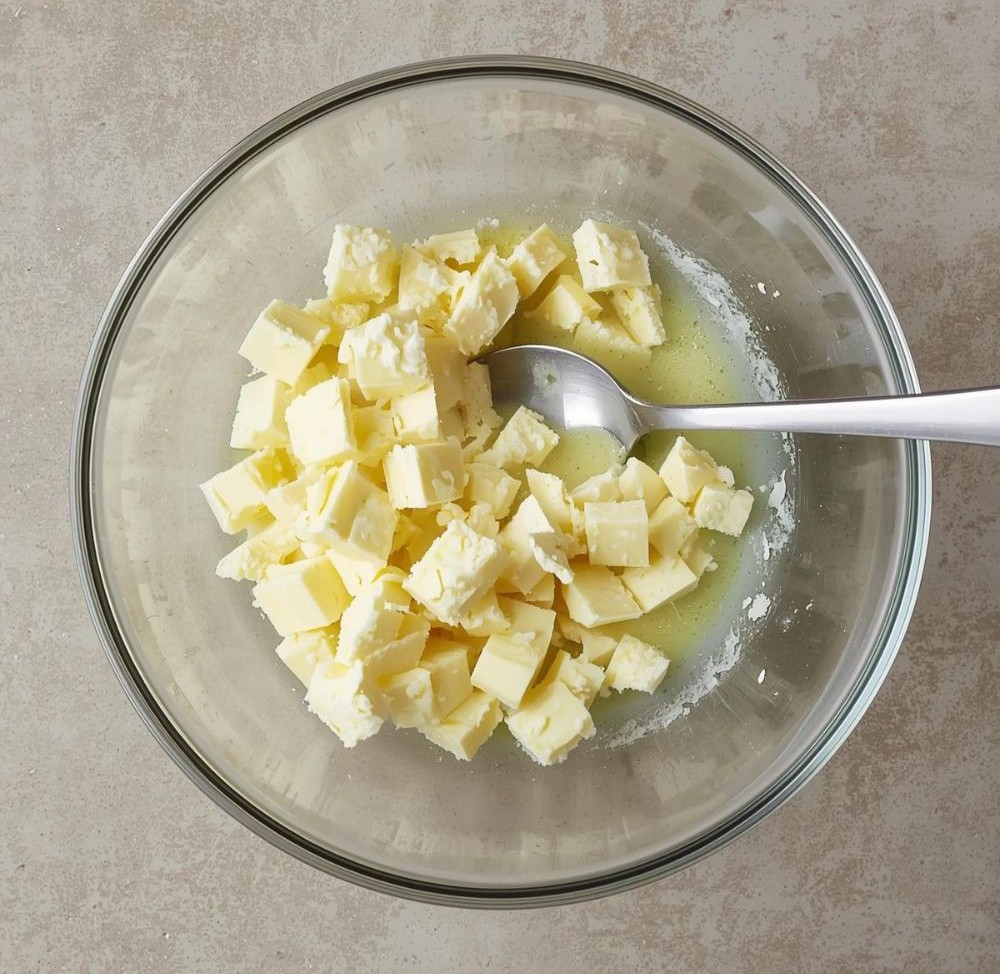
- First, place the chopped chocolate in a heatproof bowl, then set it aside.
- Next, in a small saucepan over medium heat, combine the cream and matcha. Once it comes to a boil, pour the cream over the chopped chocolate, and stir gently. Then, let it sit for 2 minutes so the chocolate can melt.
- After that, stir until smooth and fully combined. Once ready, cover with plastic wrap, then let it cool to room temperature before using. Alternatively, if you cool it in the fridge, it will go faster, but be careful not to let it get too cold or firm.
Assembling the Macarons
Finally, pipe the matcha white chocolate onto half of the macaron shells, then pair each one with its match. After that, place them in the fridge overnight, so the flavors can meld together and the shells can settle.
Swiss Meringue Macaron Method
With the Swiss meringue method, you make macarons by heating egg whites and sugar together over water until they reach the right temperature. Then, you whip the hot egg whites and sugar into a stiff meringue. Finally, fold the sifted powdered sugar and almond flour into the batter.
Tips and Tricks for Swiss Macarons:
- Tip: first, use a kitchen scale, and weigh everything.
- Tip: also, wipe down all your utensils, bowls, and equipment with vinegar.
- Tip: in addition, use egg white powder in the batter.
- Tip: finally, stop mixing once the batter flows properly. Specifically, the batter should flow like lava, falling off the spatula in a ribbon. If it falls in clumps, you haven’t mixed it enough, while if it simply runs off the spatula without ribboning, you’ve mixed it too much.
| Problem | Cause | Solution |
|---|---|---|
| Cracked feet | Wet almond flour | Pre-dry at 100°C for 10 minutes |
| No feet / spreads too much | Overmixed batter | Stop as soon as it flows in a ribbon, but not too fast |
| Falls in clumps off the spatula | Undermixed batter | Keep mixing until it flows like lava |
| Sticky, doesn’t form a skin | Rested too briefly | Rest for 30–60 minutes, until dry to the touch |
| Air bubbles on the surface | Air wasn’t released | Tap the pan, then pop bubbles with a toothpick |
| Brownish instead of vibrant green | Culinary grade matcha | Choose ceremonial grade matcha powder |
Related Articles:
The Secrets of Matcha for Women: 8 Effects Your Body Will Love
Matcha vs Coffee: 8 Reasons to Choose Matcha Over Coffee
Matcha for Weight Loss?! 5 Facts About How Matcha Helps You Achieve Your Dream Body
Frequently Asked Questions
Most commonly, cracking happens because of excess moisture in the almond flour, insufficient resting time, or an improperly formed skin, and that’s exactly why pre-drying the almond flour and properly resting the batter before baking are so important.
Ideally, you should choose ceremonial grade matcha powder, since it produces a more vibrant, emerald green color, whereas culinary grade can result in a more brownish shade in the final product.
Generally, 30 to 60 minutes, depending on the day’s humidity and temperature, or in other words, until it no longer sticks to your finger when gently touched.
Typically, 150°C in a conventional oven, or 135°C in a convection oven, for 15 to 20 minutes, depending on size.
Essentially, it stabilizes the meringue, so the batter turns out more predictable and sturdier, and is therefore less prone to cracking.
Summary
At first, making macarons might seem complicated, but by following a few key principles, you can make a stunning, flawless treat at home too. Moreover, adding matcha not only brings a special flavor, but also gives the dessert a natural green color and an elegant character, which makes it even more special than the classic version.
Ultimately, the secret to perfect matcha macarons lies in the details. Specifically, accurate measuring, using clean equipment, achieving the right meringue consistency, and applying the correct mixing technique all play a key role in getting shells that are smooth, glossy, and crack free. Meanwhile, resting the batter before baking helps develop the signature “feet,” which is one of the telltale signs of a well made macaron.
So, if you follow the five basic rules (measure accurately, work with clean equipment, use a stable meringue, pay attention to the right consistency, and let the shells rest before baking), macaron making becomes far more predictable.
With this method, therefore, matcha macarons turn out not only delicious, but also stunning: smooth and crisp on the outside, creamy on the inside, and thanks to the white chocolate matcha filling, truly elegant as well. With a little practice, in fact, this treat can easily become one of the most special desserts in your own kitchen.
Matcha Macarons
Equipment
- Stand mixer
Ingredients
- 105 grams sifted fine almond flour
- 105 grams sifted powdered sugar
- 2 teaspoons matcha powder
- 100 grams egg whites
- 100 grams granulated sugar
- 3 grams egg white powder (meringue powder) 1 teaspoon, optional, but strongly recommended for a better result
- Green food coloring optional
- 125 grams white chocolate finely chopped
- 1/3 cup heavy cream 75 g
- 1 teaspoon matcha powder
Instructions
- Prepare a baking sheet with parchment paper or a silicone mat.
- Sift the almond flour on a scale until you reach 105 grams, removing any larger pieces. Repeat with the powdered sugar, then add the matcha powder. Mix the almond flour, powdered sugar, and matcha together until thoroughly blended, then set aside.
- Place the egg whites, granulated sugar, and egg white powder into the bowl of your stand mixer and whisk together. Set the bowl over simmering water, making sure it forms a tight seal and the bottom doesn’t touch the water.
- Whisk continuously while heating the mixture to 60°C. Once it reaches temperature, remove from the heat and transfer to your stand mixer fitted with the whisk attachment.
- Whip on low speed, increase to medium once soft peaks form, then to high until stiff peaks form. If using food coloring, add it now and whip just until incorporated.
- Sift the dry ingredients over the meringue and gently fold them in, being careful not to overmix. The batter is ready when it flows off the spatula in a ribbon, without stopping, but not too quickly.
- Transfer the batter to a piping bag fitted with a medium or large round tip, then pipe small 3 to 4 cm circles onto a parchment lined baking sheet.
- Tap the baking sheet firmly against the counter several times to release air bubbles, popping any remaining ones with a toothpick.
- Preheat the oven to 150°C (135°C for convection). Let the macarons sit until a skin forms on top, 8 minutes to an hour, until they can be gently touched without sticking.
- Bake for 15 to 20 minutes, checking after 15 minutes and every minute after, until the tops are firm and the bottoms don’t move.
- Let the macarons cool completely, then match the shells into pairs and set aside for filling.
- Place the chopped white chocolate in a heatproof bowl. Bring the cream and matcha powder to a boil, pour over the chocolate, and let sit 2 minutes before stirring smooth. Cover and cool to room temperature before using.
- Pipe the matcha white chocolate onto half of the macaron shells, sandwich with the remaining shells, and refrigerate overnight before serving.
Leave a Reply