Quick Summary
- Presents 5 scientifically backed facts about how matcha supports weight loss.
- Matcha’s EGCG content is 137× higher than regular green tea’s, making it the engine behind its metabolism-boosting effect.
- Daily matcha consumption increases calorie burning by about 30–40%.
- Its L-theanine content moderates cortisol, one of the main triggers of stress eating.
- 0 calories per serving (without sugar or milk) – can easily fit into any diet.
- Includes a 7-day “matcha challenge” you can try yourself.
Are you looking for a natural solution that supports your weight loss without constant hunger, nervousness, or energy crashes? In this article, I’ll show you exactly how you can use Matcha for weight loss, because it gives you precisely that.
It’s no coincidence that Matcha is one of the most talked-about natural fat burners among women who are making lifestyle changes and living a fitness-conscious life. So, based on 5 scientifically backed facts, let’s take a look at what it actually does to your body and why it works in the long run, even where diets fail.
If you’re thinking about a lifestyle change, want to lose weight, reduce body fat, or build a more toned physique, but don’t want to give up your health, your energetic everyday life, or your favorite foods, then this article is exactly for you!
In this article, I’ll honestly show you, backed by personal experience and scientific evidence, how Matcha can support you in fat burning, boosting metabolism, and even muscle building.
I’ll also show you how Matcha can become the ally of both your dream body and your mind, and why it’s worth giving it a chance, even if you’ve been a coffee addict until now.
Related Articles
The Secrets of Matcha for Women: 8 Effects Your Body Will Love
Matcha vs coffee: 8 reasons to choose Matcha instead of coffee
Matcha tiramisu recipe you will love and impress everyone with
What Is Matcha, and Why Is Everyone Talking About It?
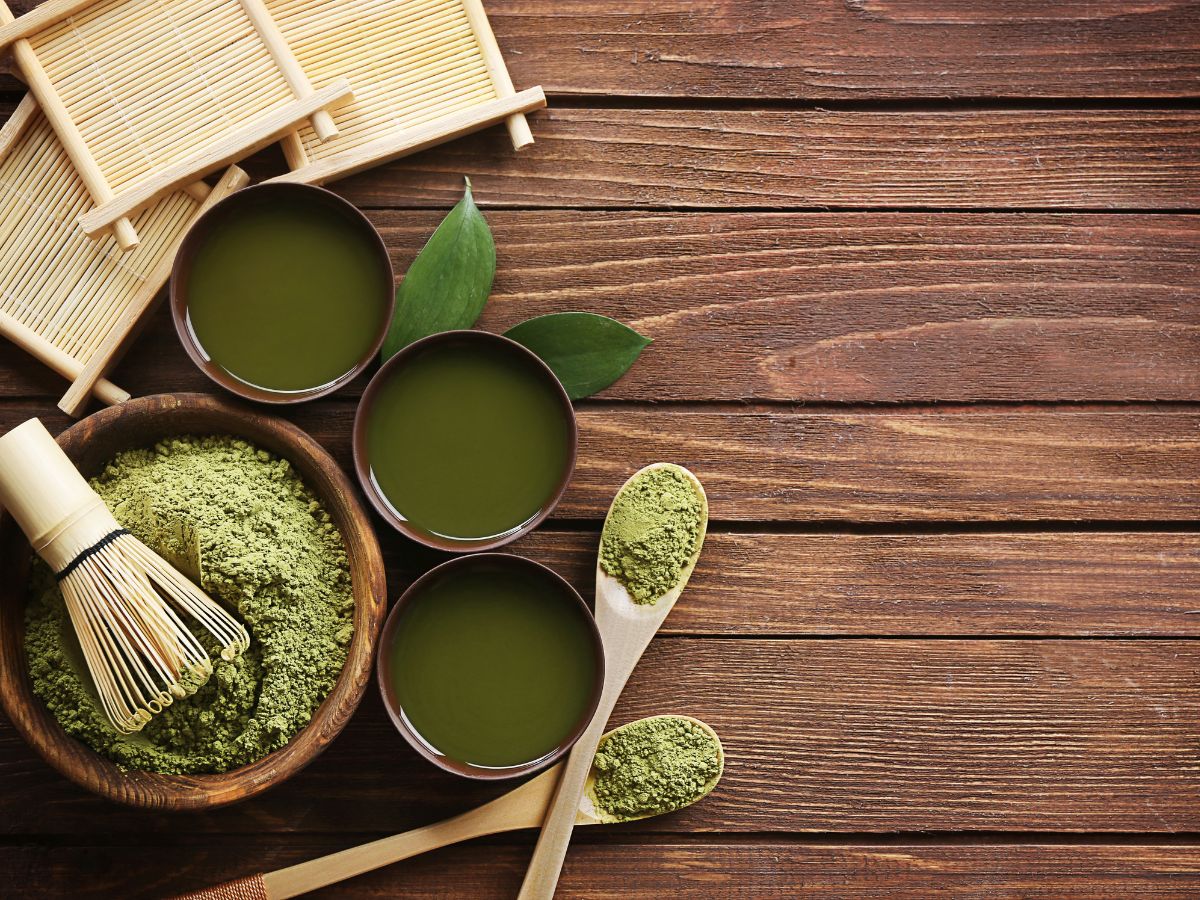
Matcha is not your average green tea. Although it comes from the same plant (Camellia sinensis) as traditional green tea, its cultivation and preparation methods are completely different.
Specifically, the tea plants are shaded for weeks before harvest, and as a result:
- The chlorophyll content increases, which means the plant contains more compounds that support the body’s natural detoxification processes, can help with oxygenating cells, and contribute to reducing inflammation.
- The L-theanine level becomes higher, meaning a natural amino acid is present in greater quantities. This can help achieve a calm yet alert mental state, improve concentration and focus, reduce stress, and also balance the effects of caffeine, so nervousness and sudden energy crashes can be avoided.
- The antioxidants become more concentrated, which means that with each serving of Matcha, more cell-protecting compounds enter the body. Moreover, these antioxidants can contribute to neutralizing free radicals, slow down aging processes, support immune function, and may also play a role in maintaining cardiovascular health.
After shading, the leaves are ground into a fine powder, so instead of just steeping and discarding the leaves, you actually consume the entire plant. That is precisely why 1 serving of Matcha tea can deliver the benefits of up to 10 servings of traditional green tea. Source

Why Has Matcha Become One of the Favorite Drinks of People Making Lifestyle Changes?
Fact #1: Matcha for Weight Loss – It Boosts Your Metabolism
One of the most important reasons why Matcha is an ideal choice for weight loss is its antioxidant content.
According to research, the catechins found in Matcha (one of the most powerful antioxidant sources):
- Can increase metabolism by as much as 30 to 40%, meaning the body converts nutrients into energy more efficiently. As a result, more calories are burned throughout the day, even without active movement, at rest. So the body uses more energy while resting, for example while sitting or sleeping.
- Boost thermogenesis, meaning they increase the body’s internal heat-producing processes, during which energy is released as heat, and therefore they can contribute to greater energy expenditure and a reduction in fat stores.
- Support fat oxidation, in other words, more efficient fat utilization, so the body more easily breaks down and uses fat as an energy source, especially during and after physical activity. Source

| Aspect | Matcha | Green Tea | Coffee |
|---|---|---|---|
| Caffeine (mg/serving) | 35–70 mg | 25–50 mg | 80–100 mg |
| EGCG antioxidant | 137× more | Baseline | None |
| L-theanine | High | Moderate | None |
| Calories (plain) | 0 kcal | 0 kcal | 0–5 kcal |
| Metabolic effect | +30–40% | +1–2% | +3–11% |
| Blood sugar stability | Yes | Partially | No |
Fact #2: Supporting Fat Burning During Exercise
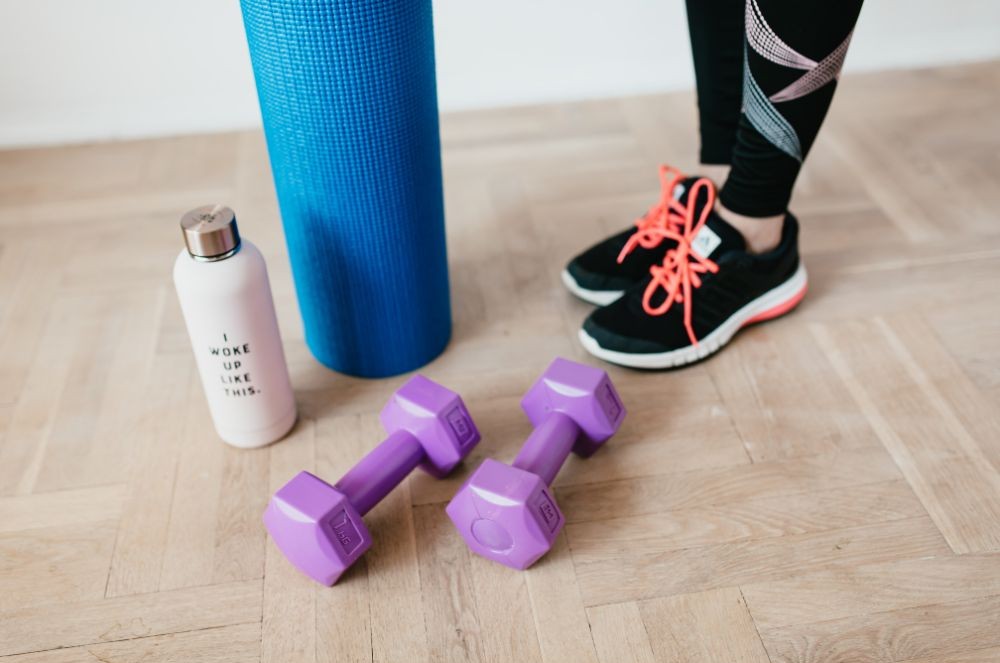
Using Matcha for weight loss is particularly effective when you combine it with exercise. If your goal is a slimmer and more toned body, then the good news is that Matcha consumed before a workout specifically supports fat burning. It’s no coincidence that many athletes and fitness enthusiasts drink a Matcha shake before their workouts.
According to research, Matcha:
- increases fat breakdown during exercise by as much as 17 to 25%,
- helps prevent the formation of new fat cells,
- improves endurance,
- protects muscle fibers,
- can reduce muscle fatigue and soreness,
- and can also speed up recovery.
As a result, you can achieve better results with the same workout, burn more fat with less exhaustion, and recover more quickly at the same time. Source
Fact #3: Stable Blood Sugar = No More Binge Eating
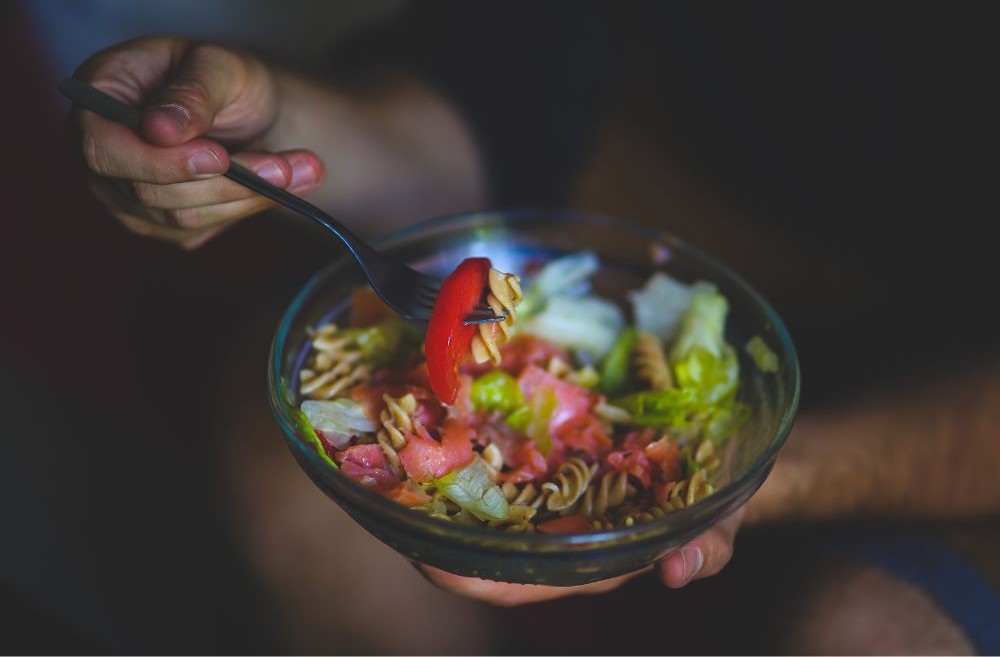
The biggest enemy of weight loss is not sweets. Rather, it’s fluctuating blood sugar levels and snack attacks. Fortunately, Matcha can provide serious support here too.
Among the benefits of Matcha is the fact that it:
- Helps stabilize blood sugar levels, because the catechins and antioxidants it contains slow down the absorption of carbohydrates. As a result, sudden blood sugar spikes, which cause extreme hunger and cravings for snacks, can be avoided.
- Reduces cravings for sweets, because alongside more balanced blood sugar levels, Matcha also provides a mild, long-lasting energy boost. Consequently, the urge for quick sugary foods becomes much less intense.
- Moderates emotional eating, since the calming effect of L-theanine reduces stress and tension, while together with caffeine, it also improves mood and focus. Therefore, there’s less of an urge to compensate for emotional ups and downs by eating.
When there are fewer sudden energy crashes, less stress, and fewer blood sugar fluctuations, there’s also less impulse snacking. This is especially important for women, particularly in cases of hormonal sensitivity.
I personally struggled with blood sugar fluctuations too, but ever since I started drinking Matcha, my cravings for sweets have dropped by half. However, after just one day without Matcha, the blood sugar fluctuations and cravings come right back. That’s exactly why I start every single day with a Matcha latte.
Fact #4: Without Stress Reduction, There Is No Weight Loss
The caffeine in Matcha is not present on its own; instead, it binds to L-theanine. This is one of the reasons why Matcha works completely differently from coffee.
So what does this mean in practice?
- Matcha provides a slower and more even release of energy that can last for 6 to 8 hours, without suddenly crashing.
- When you consume it, you don’t experience heart palpitations, trembling, or sluggishness, which are often side effects of coffee.
- It doesn’t cause nervousness or overstimulation, so your body stays calm while your energy level rises.
- It provides long-lasting focus and mental clarity, which helps with concentration and effective work.
- It increases the activity of alpha waves in the brain, which are responsible for a calm yet alert state of mind.
- Regular consumption can also contribute to reducing stress and maintaining inner balance.
- It creates a uniquely calm yet energized state, in which you feel both relaxed and refreshed at the same time.
Moreover, high stress levels raise cortisol, which actually blocks fat burning, especially in the abdominal area. Fortunately, Matcha can help with this too.

Fact #5: It Supports Your Body with Antioxidants – From the Inside Out
Matcha is one of the most powerful natural antioxidant sources. Furthermore, this is not just a health issue; it’s also an aesthetic and hormonal one.
Matcha tea:
- Helps reduce inflammatory processes, because the catechins and antioxidants in Matcha neutralize free radicals and reduce inflammation in the body. This can contribute to the health of the joints, the digestive system, and the immune system overall. When your body is not in an inflamed state, it lets go of excess fat much more easily.
- Supports cellular regeneration, because antioxidants protect cells from oxidative stress, promote the repair of damaged cells, and support the healthy functioning of DNA.
- Can slow down aging processes, since, through protection against free radicals, cells can function optimally for longer. As a result, the early signs of aging in both the skin and the body may be reduced.
- Has a positive effect on skin condition, because the anti-inflammatory and antioxidant effects together support the skin’s hydration, elasticity, and radiance. They also support skin regeneration after weight loss, and can furthermore help reduce the occurrence of skin issues such as breakouts or irritation.

How Do You Start Introducing Matcha?
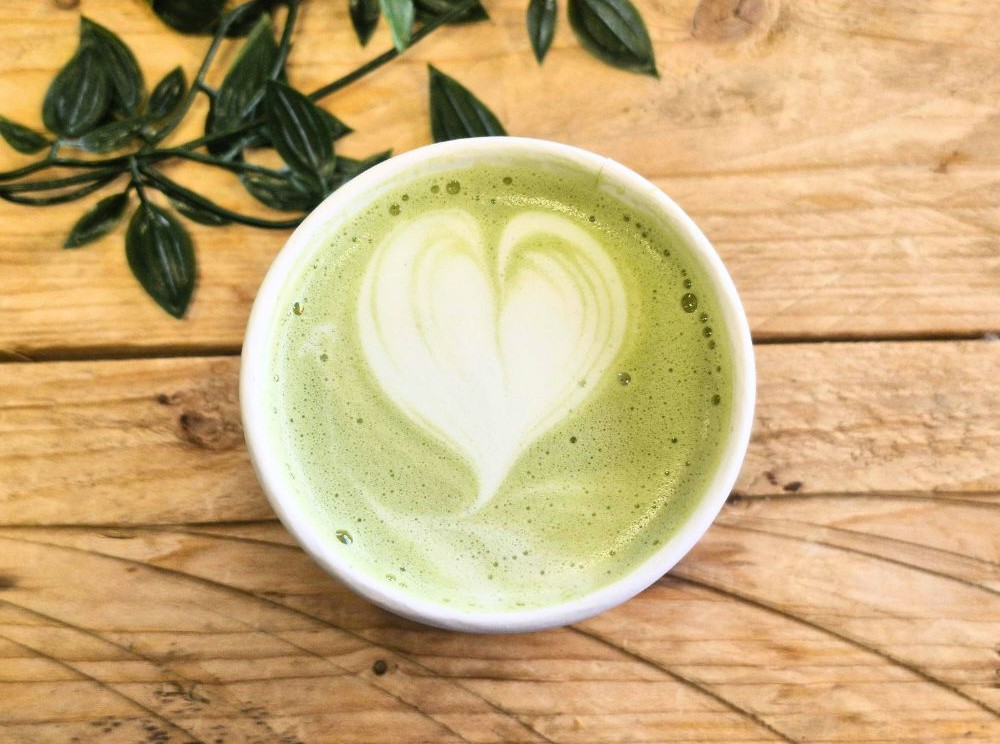
- To begin with, one cup of Matcha or Matcha latte per day is more than enough. This can be in the morning instead of coffee, or even mid-morning, when you start to feel yourself getting tired.
- Pay attention to your body’s reactions. Watch how your energy level, focus, and mood change, and also notice whether afternoon fatigue or cravings for another dose of caffeine show up.
- Give yourself time to transition. If you’ve been drinking coffee for years, it’s completely natural that your body will need a few days or even 1 to 2 weeks to adjust to this new, more balanced way of managing energy.
It’s important to know that you don’t have to give up coffee right away. Many people initially keep their morning coffee and simply swap the second one for Matcha. The goal is not deprivation; rather, it’s about making a conscious choice, giving your body what it truly needs.
As you get to know the effects of Matcha better, the switch often happens without you even noticing. Not because you “have to,” but simply because you feel better from it. And that is what you start to crave, and that is also what truly matters in the long run.
7-Day Matcha Challenge, Try It Yourself!
If you’ve only heard about Matcha so far but haven’t tried it yet, or if you’ve had it but not consistently, then this little challenge is exactly for you. It’s not a diet, not a deprivation plan, just 7 days for your body to get acquainted with the effects of Matcha.
| Day | When | How | What to pay attention to |
| Day 1 | Morning, instead of coffee | 1 tsp Matcha + hot water, frothed | Track changes in energy level during the morning |
| Day 2 | Morning | Matcha latte with almond milk | Do you notice midday sugar cravings? |
| Day 3 | Morning + 30 minutes before workout | Morning latte, cold before workout | Endurance and how you feel after your workout |
| Day 4 | Morning | Matcha latte with oat milk | Stomach reaction, do you notice bloating? |
| Day 5 | Morning | Your favorite method | Observing mood changes and focus |
| Day 6 | Morning + before lunch | Morning latte, cold before lunch | Has afternoon fatigue decreased? |
| Day 7 | Morning | Whichever way felt best during the week | Summary: what changed compared to Day 1? |
The challenge is not about doing it perfectly; rather, it’s about paying attention to your body. Many people (just like I did in the beginning) notice within the first week that they snack less, their energy is more consistent, and they wake up more easily in the morning.
If you tried it, I’d love to read about your experience in the comments!
Related articles:
5 Secrets That Will Make Your Matcha Macarons Perfectly Smooth and Crack Free at Home
11 irresistible Matcha latte recipes that will make you fall completely in love with Matcha
5 types of Matcha panna cotta — which one will be your new favorite healthy dessert?
It’s scientifically proven that it can speed up metabolism by up to 30–40%, boost fat burning, and stabilize blood sugar levels.
In the morning instead of coffee, or 30–60 minutes before a workout – it can increase fat breakdown during exercise by as much as 17–25%.
1–2 servings a day is enough; starting with 1 tea or latte is recommended.
Yes, it doesn’t cause blood sugar swings, and its caffeine effect lasts evenly for 6–8 hours.
Because it stabilizes blood sugar levels, so sudden hunger pangs don’t occur, and L-theanine reduces the tension that triggers stress eating.
Catechins can slightly slow the absorption of plant-based iron, so women with iron deficiency should drink it separately from meals; it’s also not recommended within 4–6 hours of bedtime for those with strong caffeine sensitivity.
Summary
Matcha is not a magic powder, and it’s not just another diet trick either. Instead, it’s a scientifically backed, natural tool that truly works when you build it into your everyday life, not as a form of deprivation, but as conscious support.
It boosts your metabolism and enhances fat burning both during and outside of exercise. Furthermore, it stabilizes your blood sugar levels so you can say goodbye to snack attacks. And it does all of this without overstimulating your system; rather, it gives you calm, long-lasting energy alongside all of it.
If yo-yo dieting, constant hunger, or energy crashes have been making your life difficult up until now, Matcha might just be that small change your body has been waiting for.
Leave a Reply