Quick summary
- Green tea: you steep the leaves in hot water and then remove them – you only consume the dissolved active compounds.
- Matcha: you grind the whole tea leaf into powder and consume it, so all antioxidants, vitamins, and amino acids enter your body.
- Caffeine: green tea ~30 mg/cup, matcha can have double that or more, but thanks to L-theanine the effect is calmer and longer-lasting.
- Matcha comes from shade-grown leaves → more chlorophyll, a softer taste, and higher antioxidant and L-theanine content.
- In taste, green tea is light and grassy-floral; matcha is creamier, more intense, and umami.
- Matcha is more versatile: you can drink it as tea, as a latte, in smoothies, or even in desserts.
Have you ever thought about what the difference is between Matcha and green tea? Which one gives you more energy and real support for your body during a lifestyle change?
If you enjoy tea, or you want to replace your daily coffee with something healthier, you have probably already come across the name Matcha. However, the world of Matcha and green drinks is much more exciting than you would think at first.
Many people believe that Matcha and green tea are the same thing. In reality, there are significant differences between them. These differences exist not only in taste but also in their effects. They have a decisive influence on how much energy you get from them. They also affect how many antioxidants you gain through them. And they determine how well the drink supports your healthy lifestyle.
In this article, I will show you the 7 most important differences between green tea and Matcha. This will help you decide more easily which one fits better into your everyday life.
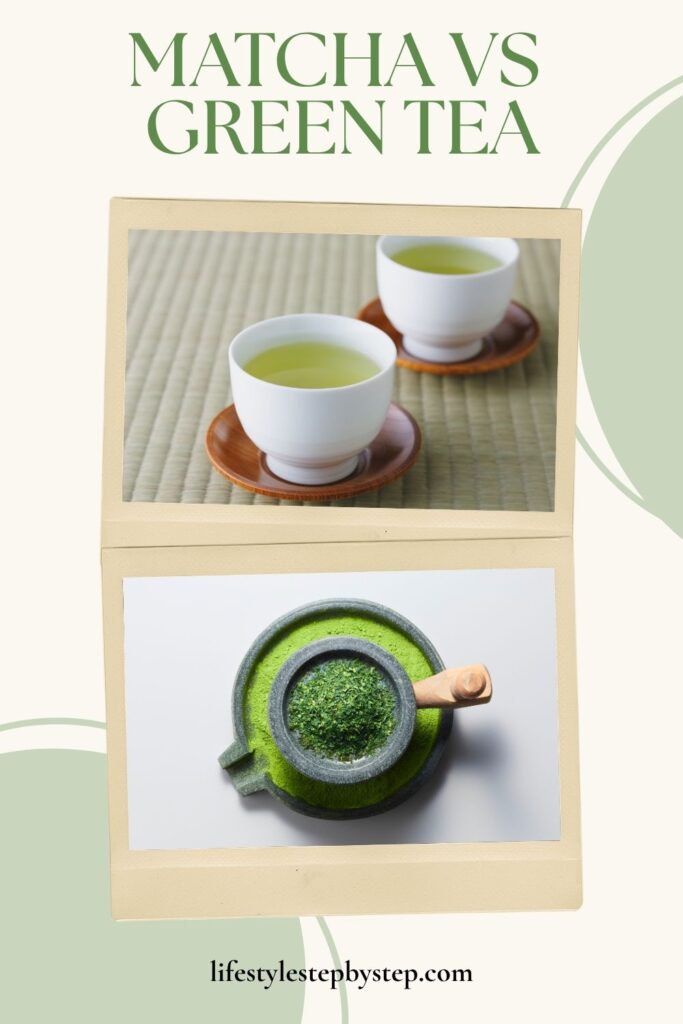
What is Matcha, and how is it different from green tea?
Matcha is technically a special type of green tea. However, it is grown, prepared, and consumed in a completely different way. With traditional green tea, you steep the leaves in hot water and then remove them. With Matcha, you grind the entire leaf into a fine powder. You then mix this powder with water or milk and drink it.
This means that when you drink Matcha tea or a Matcha latte, you consume the plant’s full nutritional content.
The difference is therefore not only technical but also nutritional and functional. By consuming Matcha, you get every valuable component of the whole tea leaf. This means more antioxidants, vitamins, and amino acids enter your body. This can result in more concentrated energy, better focus, and a more balanced effect throughout the day. Green tea, on the other hand, offers a lighter experience. However, it generally provides fewer nutrients per cup.
| Aspect | Green tea | Matcha |
| Basis of preparation | Leaves steeped in hot water, then removed | Whole leaf ground into powder, consumed |
| Cultivation | Grown in full sunlight | Grown in the shade before harvest |
| Caffeine content | ~30 mg / cup | Up to double that amount or more per serving |
| Energy effect | Milder, shorter-lasting | Longer, steady, and calmer thanks to L-theanine |
| Antioxidant content | Moderate (only the dissolved part is absorbed) | High (the whole leaf is absorbed) |
| Taste | Light, grassy, floral | Creamier, more intense, umami |
| Versatility | Mainly consumed as a drink | Tea, latte, smoothies, and desserts too |
Related Articles
- 5 Secrets That Will Make Your Matcha Macarons Perfectly Smooth and Crack Free at Home
- 11 irresistible Matcha latte recipes that will make you fall completely in love with Matcha
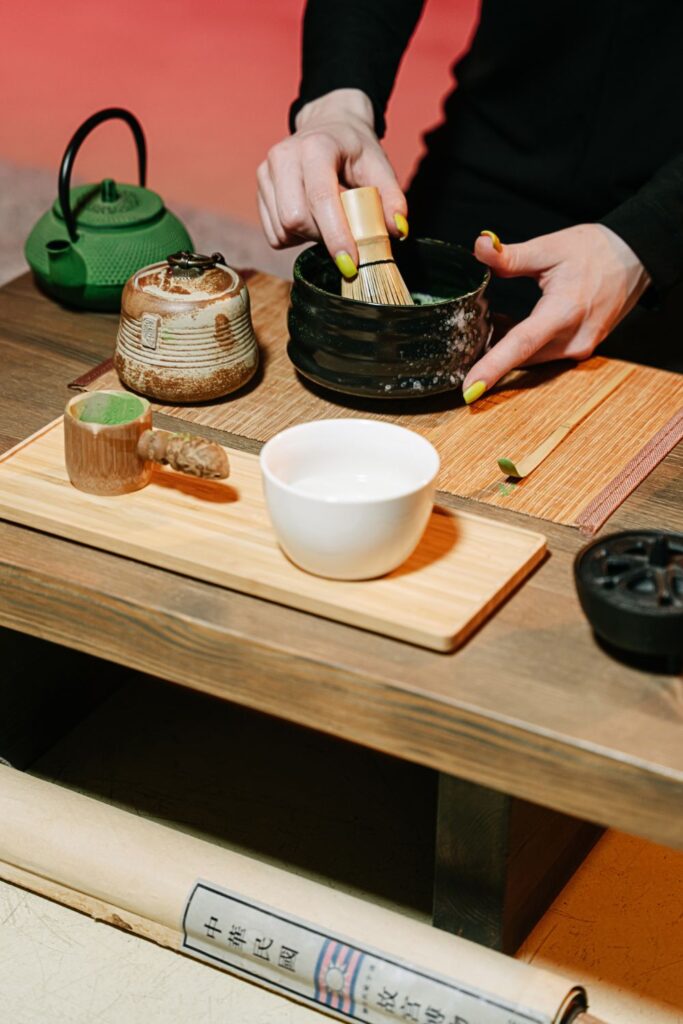
1. With Matcha, you consume the whole leaf, not just the brew
This is one of the biggest differences between green tea and Matcha. You consume the entire plant material, not just a water infusion.
With traditional green tea:
- You steep the leaves in hot water.
- Some of the active compounds dissolve, but not all nutrients are absorbed.
- You discard the leaves, so you lose the valuable components remaining in them.
Matcha:
- Grinding the leaf into powder preserves all its valuable nutrients.
- You mix it into hot water or milk.
- You consume the entire leaf, so your body can fully absorb the antioxidants, vitamins, and minerals it contains.
This is why Matcha:
- Contains more antioxidants, because you consume the whole tea leaf, not just an extract.
- Provides more vitamins and minerals, making it a more nutritious choice than traditional tea.
- Has a more concentrated effect, so even a single serving delivers noticeable energy and freshness.
One cup of Matcha can contain several times more nutrients than a cup of traditional green tea. Source
2. The growing method is also completely different
Matcha is not an average green tea. Its cultivation is very special.
Matcha leaves are:
- Grown in the shade before harvesting. This counts as a unique growing method.
- This causes more chlorophyll to form, which gives the tea its vivid green color and cleansing effect.
- The L-theanine and antioxidant content increases. This contributes to a calm yet lasting energy level and protection of the body.
This shading process:
- Gives a more vivid green color, which is a sign of higher chlorophyll content.
- Results in a softer, sweeter taste, because bitterness decreases and amino acid content increases.
- Increases the amount of active compounds, providing a more concentrated antioxidant and nutrient content in Matcha.
Traditional green tea leaves, by contrast, generally grow in full sunlight. This results in a different taste and nutrient profile. Source
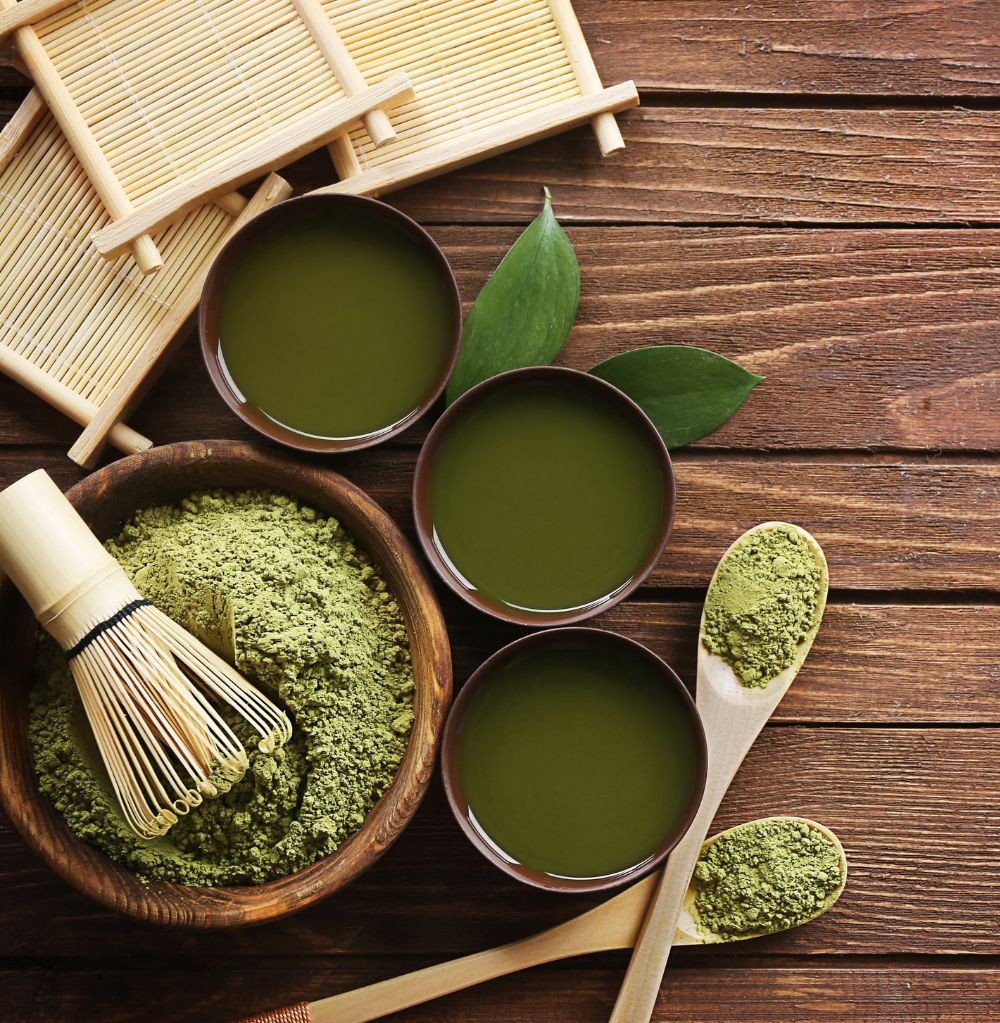
3. Matcha gives you more energy, but in a calmer way
Both green tea and Matcha contain caffeine. However, the difference lies in the amount and the effect.
On average:
- One cup of green tea contains about 30 mg of caffeine.
- One serving of Matcha can contain twice that amount or even more.
However, Matcha also contains a special amino acid: L-theanine.
Which:
- Supports concentration, making focused and efficient work easier.
- Reduces the nervousness that caffeine causes, so it does not come with a sudden jittery feeling.
- Provides long-lasting, steady energy, which helps you maintain stable performance throughout the day.
This is why many people choose Matcha instead of coffee. Matcha provides steadier, longer-lasting energy. It does not cause a sudden caffeine spike or later fatigue. Thanks to its L-theanine content, it supports concentration and calm focus without nervousness. In addition, it contains more antioxidants. So it does not only wake you up, it also supports your health. Source

4. A significant difference in antioxidant content
Matcha is one of the most powerful antioxidant sources among teas.
The reason for this:
- You consume the whole leaf, not just an extract like with traditional teas.
- You lose no nutrients during steeping, so more valuable active compounds enter your body.
- Its effect is more concentrated, so even a single serving of matcha provides a significant antioxidant intake.
Green tea is also rich in antioxidants. However, with matcha, their quantity can be significantly higher.
This can contribute to:
- Supporting the immune system, helping the body’s ability to defend itself.
- Protecting cells, by neutralizing harmful free radicals.
- Healthy aging, by reducing the effects of cellular damage.

5. The taste and experience are completely different
Green tea:
- Has a light and fresh taste.
- It is often grassy or floral, which provides a natural, mild taste experience.
- It gives a gentler experience, so it can easily be consumed at any time of the day.
Matcha:
- Has a creamier texture, because you mix the finely ground tea powder directly into the drink.
- Has a more intense, umami flavor, which gives a richer and more distinctive experience.
- Is a thicker, more characterful drink, providing a more substantial feeling with every sip.
This is why it is perfect for:
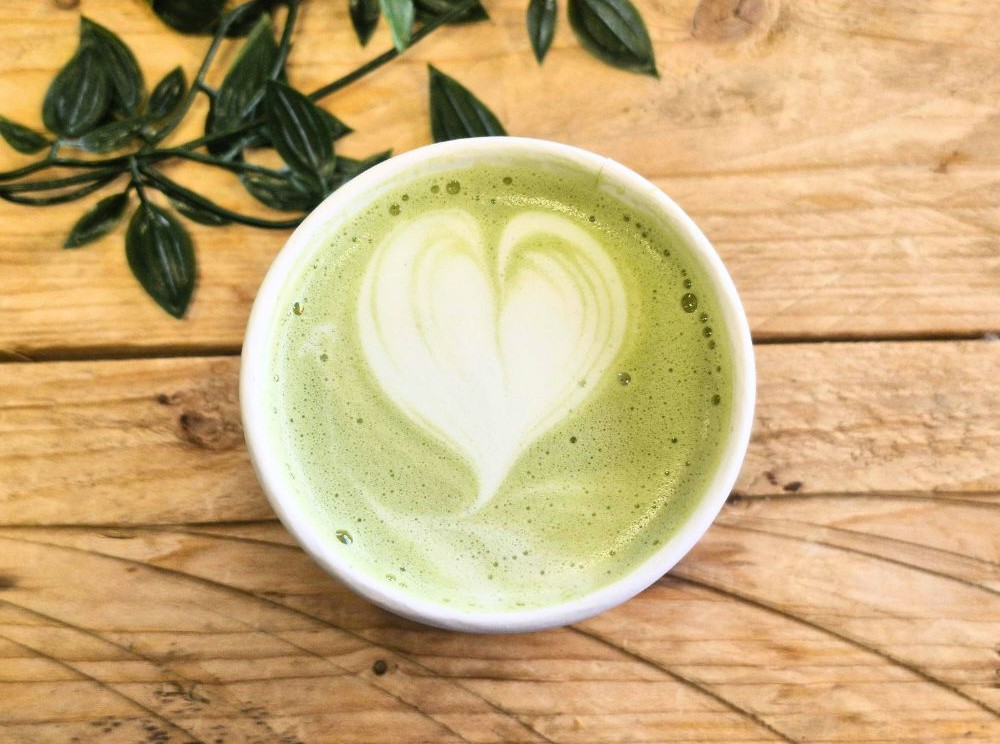
- Making matcha lattes.
- Smoothies.
- Healthy desserts.
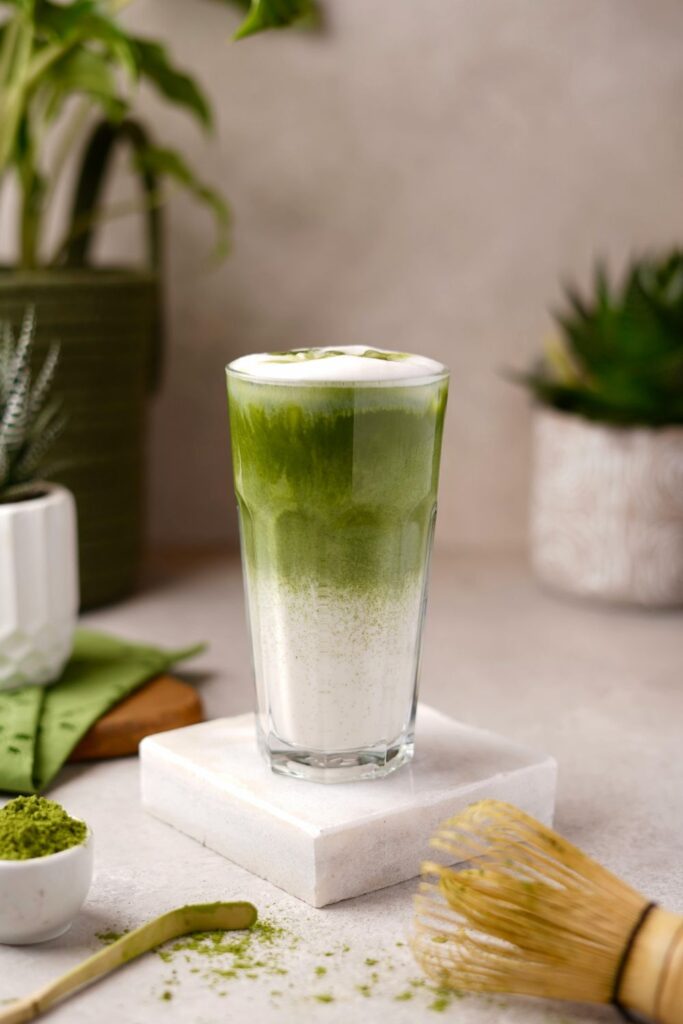
6. The preparation method is also different
Preparing green tea is simple:
- You pour hot water over the tea leaves so the flavors and active compounds dissolve.
- You steep the leaves for a few minutes until the brew is ready.
- You strain the leaves, and the tea is ready to drink.
Preparing matcha is more of a ritual:
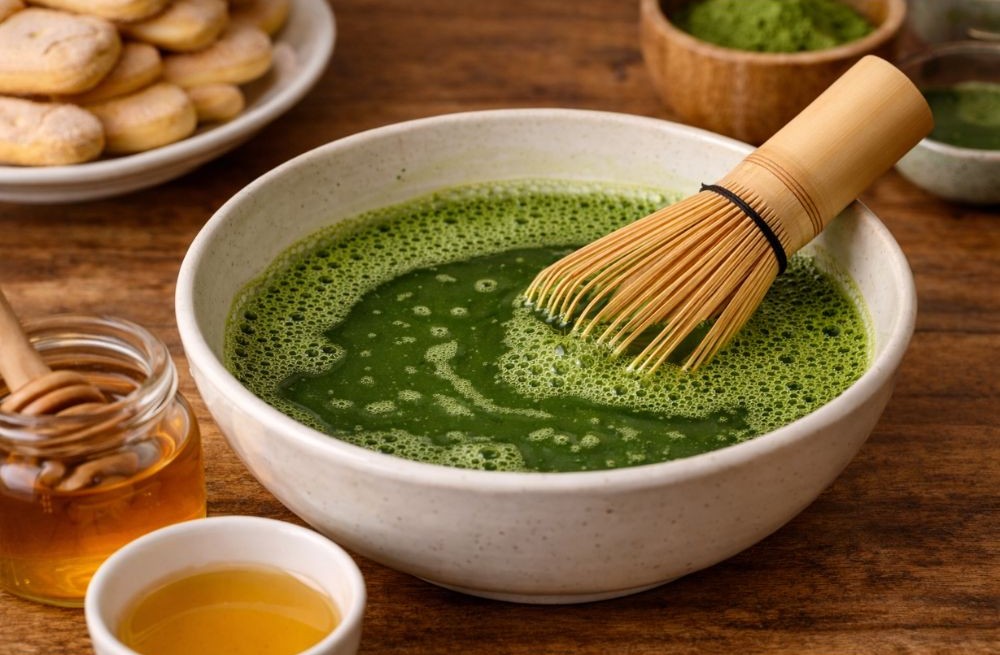
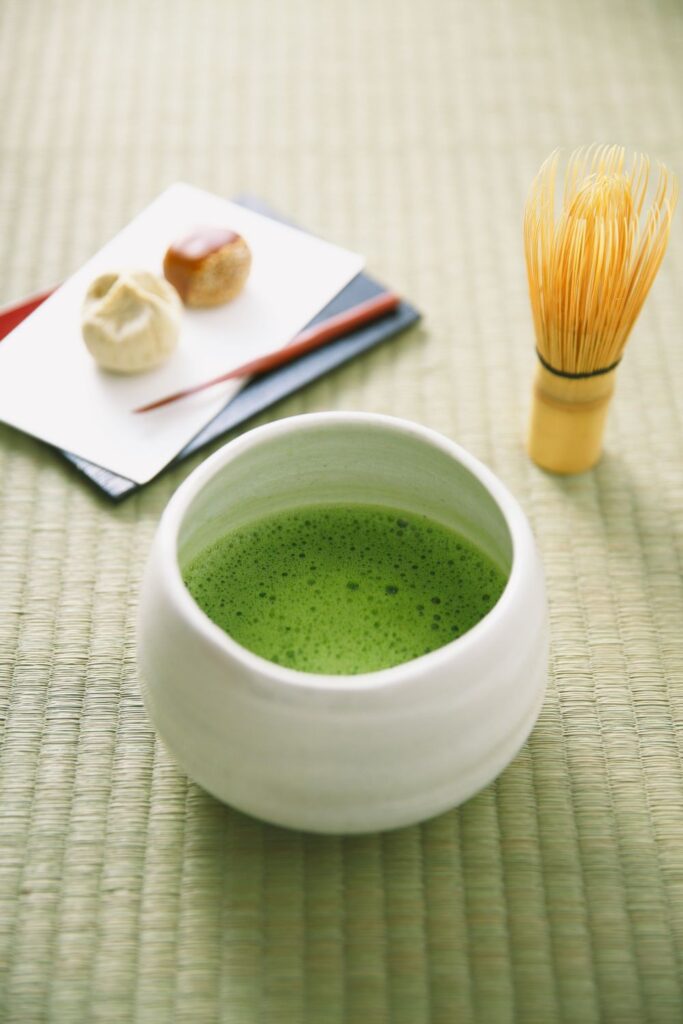
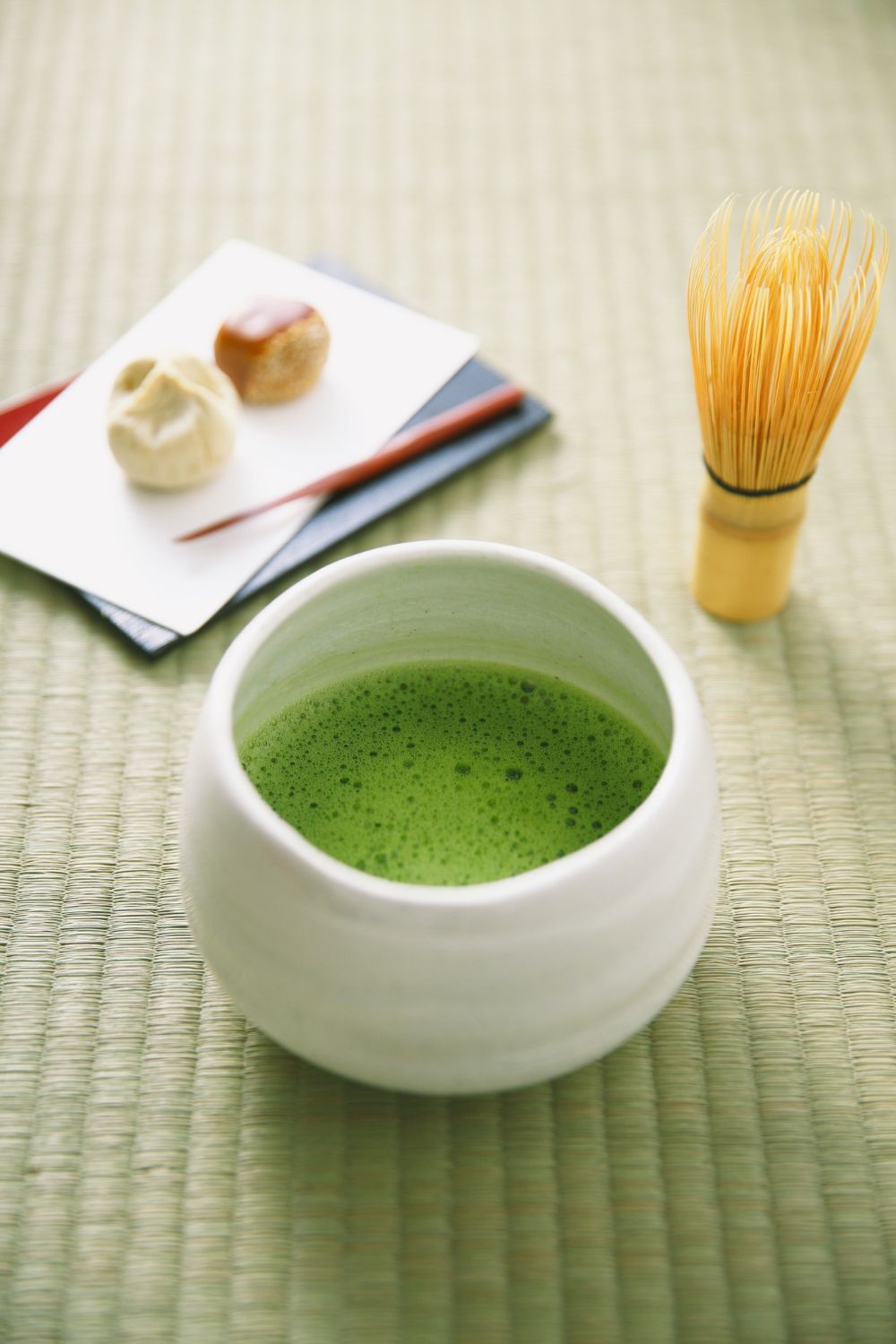
- You sift matcha powder into a bowl to get a smooth, silky texture without clumps.
- You add hot water at the right temperature to preserve the flavors and active compounds.
- You whisk it with a whisk until you get a light, frothy texture.
The result:
- A frothy, creamy drink that gives a soft and silky feeling.
- A concentrated flavor that provides a richer experience than traditional tea.
- A true tea experience that is both calming and energizing.
7. Matcha is much more versatile
Green tea is primarily a drink. It is a refreshing and low-calorie choice. It is also ideal for everyday consumption, as it hydrates while delivering natural antioxidants to the body.
Matcha, however:
- You can drink it as matcha tea, so you can easily incorporate it into your daily routine.
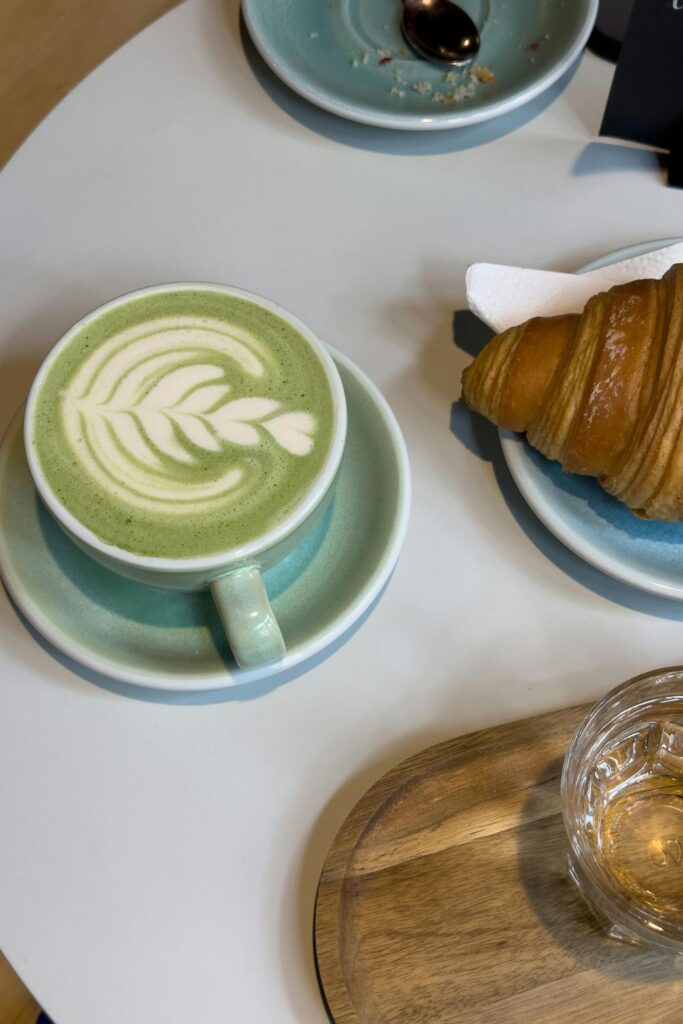
- You can make it into a matcha latte, which gives a creamier and softer taste experience.
- You can add it to smoothies to provide natural energy and a vivid green color.
- You can use it in baked goods, where it adds a unique flavor and nutrients to desserts.
This is why it is easier to incorporate into everyday life.
For example:
- Morning matcha latte instead of coffee.
- Pre-workout matcha drink.
- Afternoon matcha smoothie.
- Healthy matcha dessert.
When should you choose matcha over green tea?
If any of the following goals apply to you, matcha may be the ideal choice:
- You want to quit coffee.
- You are craving lasting energy.
- You are going through a lifestyle change.
- You want to increase your antioxidant intake.
- You are looking for a healthy drink that is easy to prepare.
Green tea can still be a good choice if:
- You are sensitive to caffeine.
- You prefer lighter flavors.
- You are in the mood for a calm evening tea.
Now is the time to try matcha
If you have only been drinking green tea until now, this is your chance to take your daily routine to a completely new level. Matcha is not just a trendy drink. It is a conscious choice for those who:
- Want more energy throughout the day, without sudden fatigue or energy crashes.
- Are striving for a healthier lifestyle and are looking for natural solutions.
- Are looking for a delicious yet beneficial alternative that is both enjoyable and nutritious.
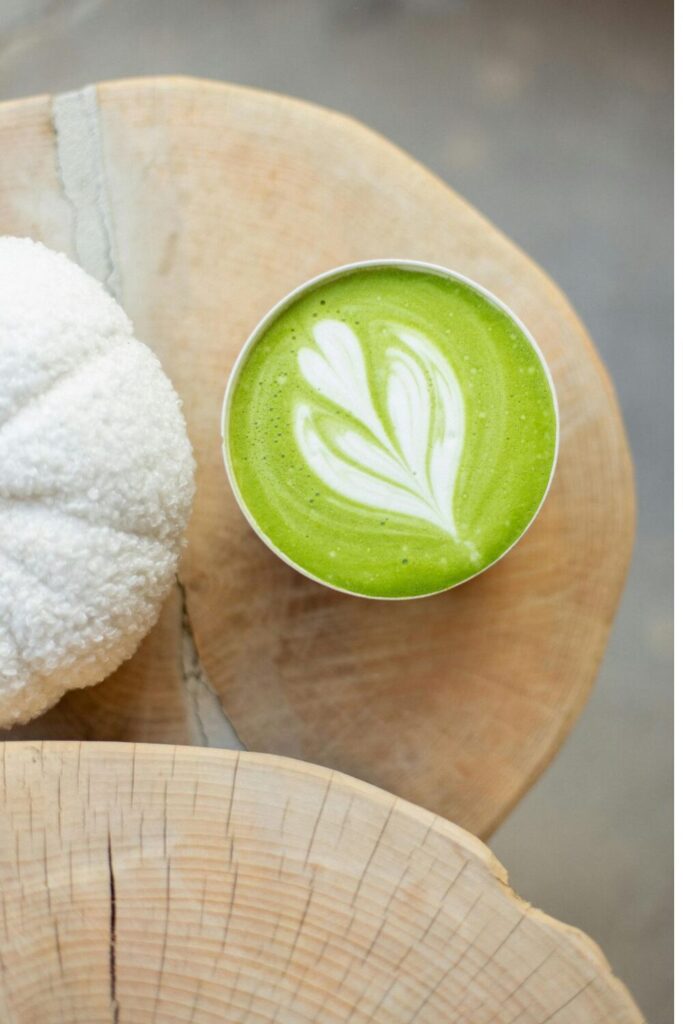
Start with a simple matcha latte in the morning. Then observe how your energy level and concentration change.
This might be the small habit that sets a bigger lifestyle change in motion. Source
Related Articles
- The Secrets of Matcha for Women: 8 Effects Your Body Will Love
- Matcha vs Coffee: 8 Reasons to Choose Matcha Over Coffee
- Matcha for Weight Loss?! 5 Facts About How Matcha Helps You Achieve Your Dream Body
Frequently Asked Questions
With green tea, you only drink the substances that dissolve out of the leaves, while you discard the leaves themselves. With matcha, you consume the entire, powdered leaf, so significantly more nutrients and antioxidants enter your body.
Because matcha leaves grow in the shade before harvesting, which increases the chlorophyll and L-theanine content, reduces bitterness, and gives it a more vivid green color.
Matcha typically contains twice as much caffeine or more than a cup of green tea (which has about 30 mg per cup).
If you’re particularly sensitive to caffeine, green tea may be the gentler choice, although matcha’s L-theanine content often calms the jitteriness caused by caffeine for many people.
The amino acid L-theanine in matcha balances the effect of caffeine: it reduces nervousness, extends the energy level, and supports focused concentration without a sudden rush.
Matcha, because you consume the entire tea leaf rather than just the part that dissolves in water, so the antioxidants reach your body in a more concentrated form.
Yes. The catechins and tannins it contains can inhibit the absorption of plant-based iron. It’s worth drinking matcha 1-2 hours before or after a meal, and considering a supplement if you are iron deficient.
You steep green tea in hot water for a few minutes, then strain it. You prepare matcha by sifting the powder, adding hot water, and whisking it with a bamboo whisk, which is more of a ritual than simple steeping.
It works wonderfully in matcha lattes, smoothies, and a variety of desserts (for example tiramisu or cakes), making it more versatile than traditional green tea.
If you’re sensitive to caffeine, prefer lighter flavors, or want a soothing evening drink, green tea is the more comfortable, milder alternative.
Summary
Matcha and traditional green tea come from the same plant. Yet they provide a completely different experience and effect. With green tea, you only consume an extract of the leaves. With matcha, you consume the entire tea leaf. This means significantly more antioxidants, vitamins, and active compounds enter your body. This can result in more concentrated energy, longer-lasting focus, and stronger health support in everyday life.
The special growing method, the higher L-theanine content, the creamier texture, and the versatile usability all contribute to matcha becoming an increasingly popular choice among those going through a lifestyle change. You can enjoy it not only as a drink but also in lattes, smoothies, and desserts. This makes it easy to incorporate into your daily routine.
Green tea remains a great, light, and calming choice. However, if you are craving lasting energy, more concentrated antioxidant intake, and a more conscious and modern alternative, matcha may be your next step in your lifestyle change. A small change in your morning routine often makes more of a difference than you would think.

Traditional Green Tea
Ingredients
- 2-3 g quality loose leaf green tea about 1 teaspoon
- 150-160 ml water
Instructions
- Boil water, then let it cool to about 75-80°C (around 1-2 minutes).
- Put the tea in a strainer or tea infuser, then pour the water over it.
- Let it steep for 2-3 minutes; steeping longer can make it bitter.
- Strain the leaves and drink the tea right away.
Preparing Matcha Tea
Ingredients
- 2 g quality matcha powder ceremonial grade
- 60-80 ml water
Instructions
- Sift the matcha powder into a bowl through a fine sieve to remove any clumps.
- Add 60-80 ml of water at about 70-75°C; do not use boiling 100°C water.
- Whisk briskly in quick zigzag motions until frothy and smooth.
- Drink immediately while fresh and frothy.
Leave a Reply