Quick summary
- Half an avocado (75g) contains about 120 kcal and 10g of healthy, monounsaturated fat.
- Eating avocado increases post-meal fullness by 23%, resulting in less snacking.
- It stabilizes blood sugar levels, thereby reducing the body’s tendency to store fat.
- It is rich in fiber (6.7g/100g), which slows digestion and provides longer-lasting fullness.
- It improves digestion and reduces bloating, which becomes visible on the scale within a few weeks.
- It supports sustainable weight loss because it is based on balanced eating rather than deprivation.
In many people’s minds, avocado still carries the label of being “too fatty.” Yet when used correctly, it has effects that you not only feel yourself, but that the scale also reflects.
If you are going through a lifestyle change, you have probably already experienced this: the question is not whether you eat, but what and how. Avocado fits perfectly into this mindful way of thinking. It is not a forbidden food, it is not cheating. It is an ingredient that helps you crave less, stay full longer, and make your weight loss more sustainable.

In this article I will show you:
- Why avocado is not your enemy while dieting.
- What 6 specific effects it has that you will also notice on your body weight.
- How to use avocado recipes wisely.
- When and with what to combine avocado.
The goal is not rapid weight loss. The goal is for your weight to decrease in a way that makes you feel good in your body.
Why are many people afraid of avocado while dieting?
The first obstacle is usually decided in the mind. Avocado is “fatty,” so many people automatically exclude it from their diet.
Yet it is important to clarify:
- Not all fat causes weight gain.
- Not all calories behave the same way in the body.
- The fat content of avocado slows down the development of hunger.
Avocado is particularly interesting from a dieting perspective precisely because it helps you eat less. Source
Nutritional value of half an avocado (75 g)
| Nutrient | Amount |
| Energy | ~120 kcal |
| Fat (total) | 11 g |
| — of which monounsaturated | 7.4 g |
| — of which saturated | 1.6 g |
| Carbohydrate | 6.4 g |
| Fiber | 5 g |
| Sugar | 0.5 g |
| Protein | 1.5 g |
| Potassium | 364 mg |
| Vitamin E | 1.6 mg |
| Vitamin K | 16 µg |
| Folate (B9) | 61 µg |
Source: USDA FoodData Central, 100g reference values scaled to 75g
Related articles
7 avocado benefits your body will literally love
5 avocado recipes for breakfast that keep you full and give you energy all morning

How does avocado work in your body?
Avocado works on several fronts at the same time:
- It stabilizes blood sugar levels, providing a more steady energy level throughout the day.
- It reduces fluctuating hunger, which helps avoid unnecessary snacking.
- It supports digestion, contributing to the healthy functioning of the digestive system.
- It is rich in monounsaturated fatty acids, which support cardiovascular health.
- Its high fiber content promotes a feeling of fullness, making it easier to control portions.
- It contains a significant amount of potassium, which helps regulate blood pressure.
- Its antioxidants contribute to skin health and cell protection.
- It supports the more efficient absorption of fat-soluble vitamins (vitamins A, D, E, and K) from other foods.
This means it does not cause a sudden “miracle.” Instead, it slowly but predictably supports weight loss.
And now let us look at those 6 effects that the scale may also show. Source
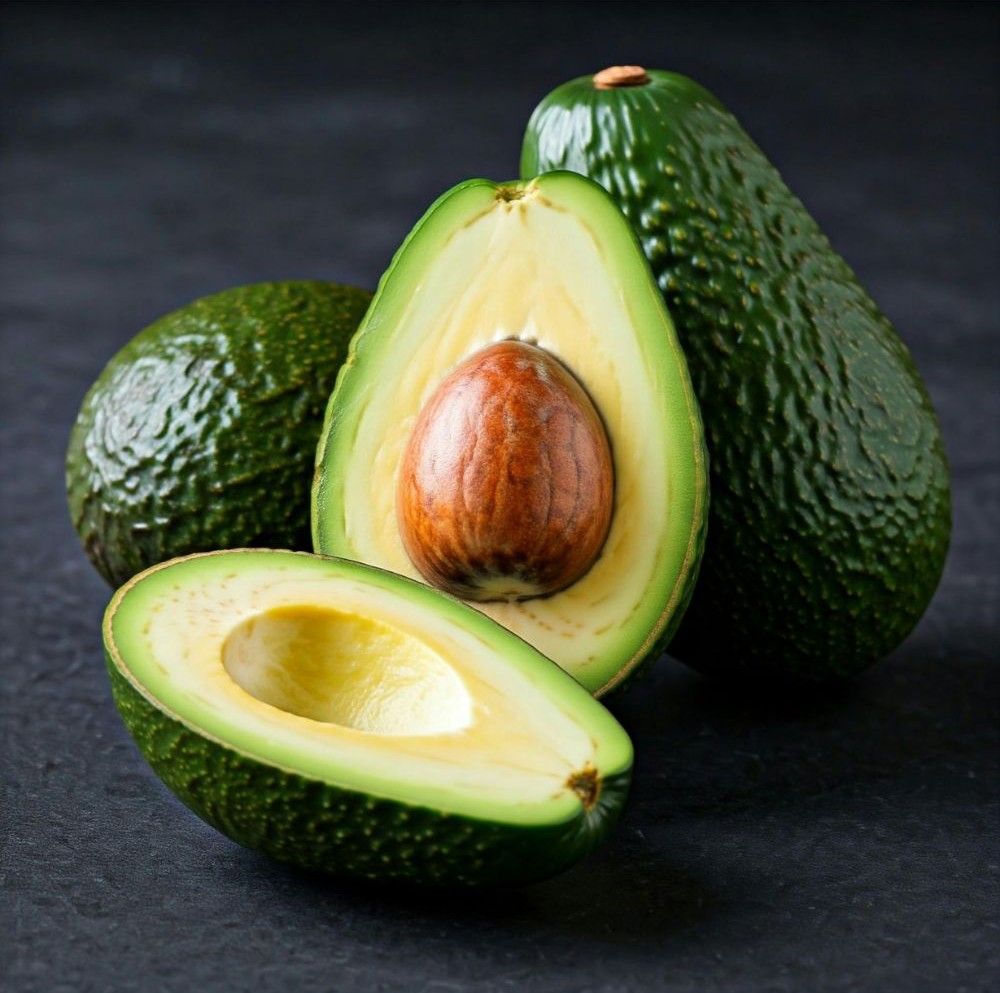
1. Less snacking = slow but steady weight loss
One of the most common reasons the scale does not move is unnoticed snacking.
Avocado:
- Provides a feeling of fullness for a long time, so you do not get hungry again quickly.
- Reduces the “just one more bite” feeling, as it stabilizes blood sugar levels.
- Helps you get through the period between meals without reaching for a snack.
If it is part of your diet in the morning or at lunch, for example, you will reach much less often in the afternoon for:
- Sweets.
- Baked goods.
This is one of the most important reasons why avocado works while dieting. Source
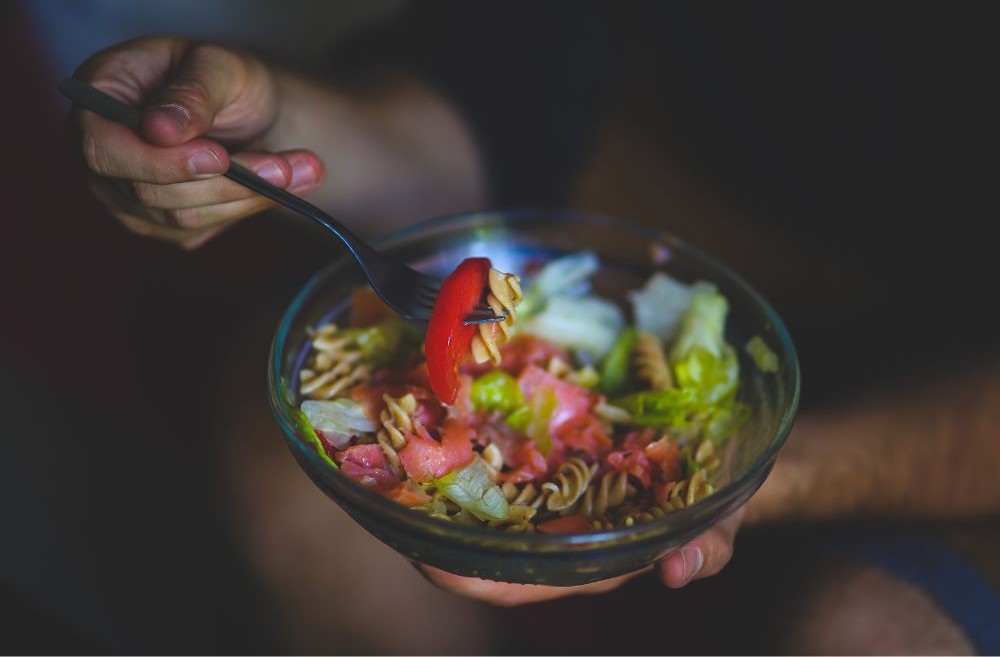
2. More stable blood sugar = less storage
When blood sugar levels fluctuate constantly, your body tends to store more.
Avocado helps:
- Slow down the absorption of carbohydrates, so sudden blood sugar fluctuations can be avoided.
- Prevent hunger attacks, as it provides a feeling of fullness for a longer time.
- Reduce the formation of insulin spikes, which supports more favorable metabolic processes.
In the long run this results in:
- Less fat being deposited in the body, as the hormonal and blood sugar balance is more stable.
- More steady weight loss, which leads to a more sustainable and healthier result.
This is especially important for women who are hormonally more sensitive to diets.

3. You feel full with smaller portions
One of avocado’s greatest strengths is its satiating effect.
With a well-put-together avocado recipe:
- There is no need for huge portions, because the healthy fats in it quickly provide a feeling of fullness.
- It is easier to stay within your calorie limit, as you feel full for a longer time.
- You do not feel like you are living in deprivation, because the meal is both filling and enjoyable.
This also matters a lot mentally. Dieting works when you do not experience it as suffering.
Oatmeal with avocado and berries
Ingredients (for 1 serving)
- 50 g of oats
- 200 ml of milk or plant-based drink
- ½ ripe avocado
- 1 handful of berries (blueberries, raspberries, or strawberries)
- 1 teaspoon of honey or maple syrup (optional)
- 1 tablespoon of seeds (chia, flaxseed, or pumpkin seeds)
- A pinch of cinnamon or vanilla (optional)
Preparation
- Put the oats and milk in a small saucepan.
- Cook over medium heat for 3 to 5 minutes until creamy.
- Meanwhile mash the avocado with a fork to get a smooth cream.
- When the oatmeal is ready, mix the avocado into it.
- Put it in a bowl, then top it with the berries and seeds.
- Sweeten with honey or maple syrup to taste, and sprinkle with cinnamon.

4. Digestion improves, bloating decreases
Many people are not heavier from fat, but from:
- Bloating, which can cause an unpleasant feeling of fullness and tension.
- Slow digestion, which can lead to a heavy, tired feeling.
- Water retention, which can result in temporary weight gain and bloating.
Avocado:
- Is a natural source of fiber, which supports healthy digestion.
- Supports intestinal function, contributing to regular metabolism.
- Can help make digestion more regular, providing a lighter feeling in everyday life.
The effect of this is often reflected on the scale within just a few weeks.
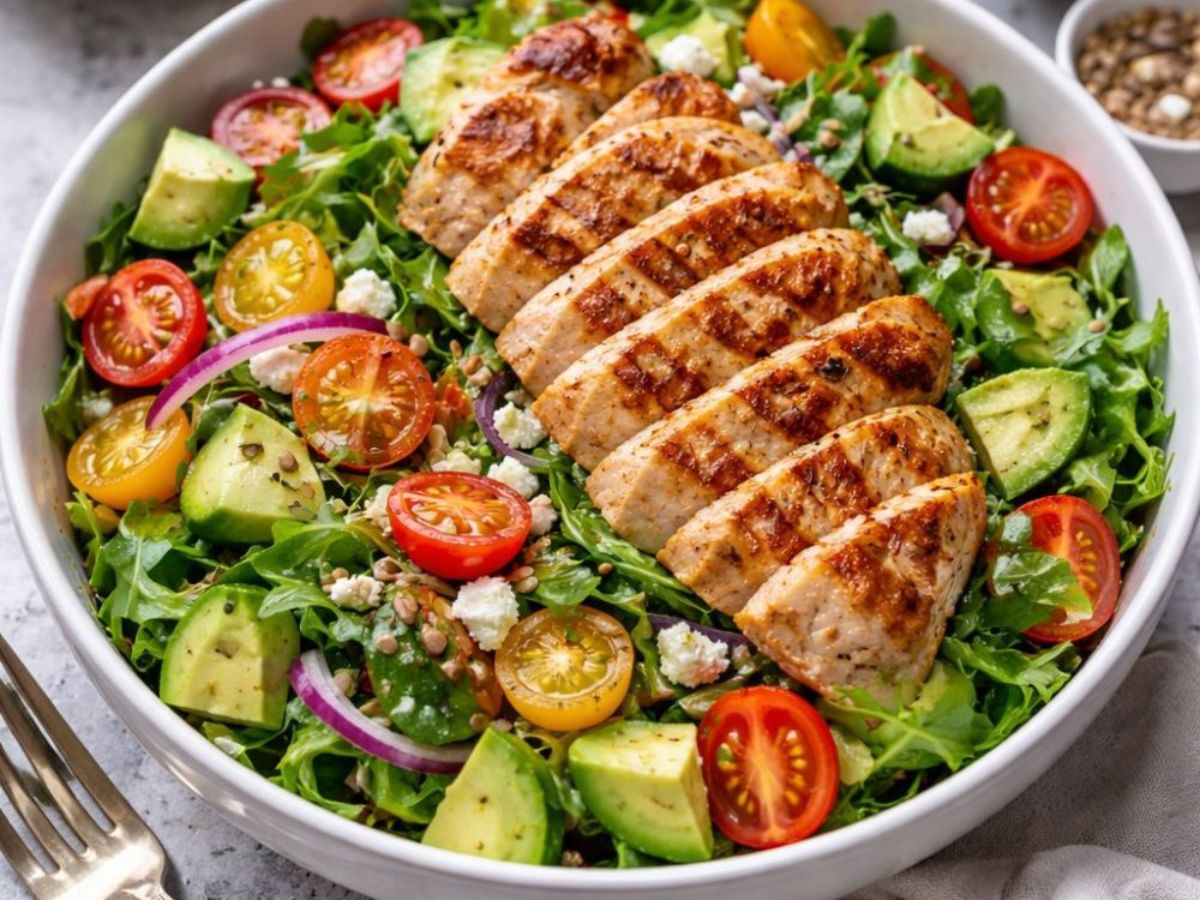
Avocado chicken salad is a particularly good choice if you are looking for a lighter but effective meal.

Grilled chicken salad with avocado
Ingredients (for 2 servings)
For the chicken:
- 2 chicken breast fillets
- 1 tablespoon of olive oil
- 1 teaspoon of lemon juice
- 1 clove of garlic (crushed)
- Salt and pepper to taste
- 1 teaspoon of dried oregano or basil
For the salad:
- 1 ripe avocado
- 1 handful of cherry tomatoes (halved)
- 1 smaller cucumber (sliced)
- 1 handful of mixed salad leaves (e.g. arugula, baby spinach)
- 1 smaller red onion (thinly sliced)
Dressing:
- 2 tablespoons of olive oil
- 1 tablespoon of freshly squeezed lemon juice
- 1 teaspoon of honey or maple syrup
- Salt and pepper to taste
Preparation
- Rub the chicken breast with the olive oil, lemon juice, garlic, salt, pepper, and oregano. Let it marinate for at least 15 to 20 minutes.
- Cook the chicken in a hot grill pan or on an outdoor grill for 5 to 6 minutes per side, until golden brown and fully cooked through.
- Let it rest for a few minutes, then slice it into strips.
- In a large bowl, mix together the salad leaves, tomatoes, cucumber, and red onion.
- Cut the avocado into cubes and add it to the salad.
- Mix together the dressing ingredients, then drizzle it over the salad.
- Place the grilled chicken strips on top and serve immediately.
Tips
- You can sprinkle roasted seeds (e.g. pumpkin seeds, sunflower seeds) or a little feta cheese on top for extra flavor.
- If you want a more filling meal, you can also add cooked quinoa or bulgur to it.
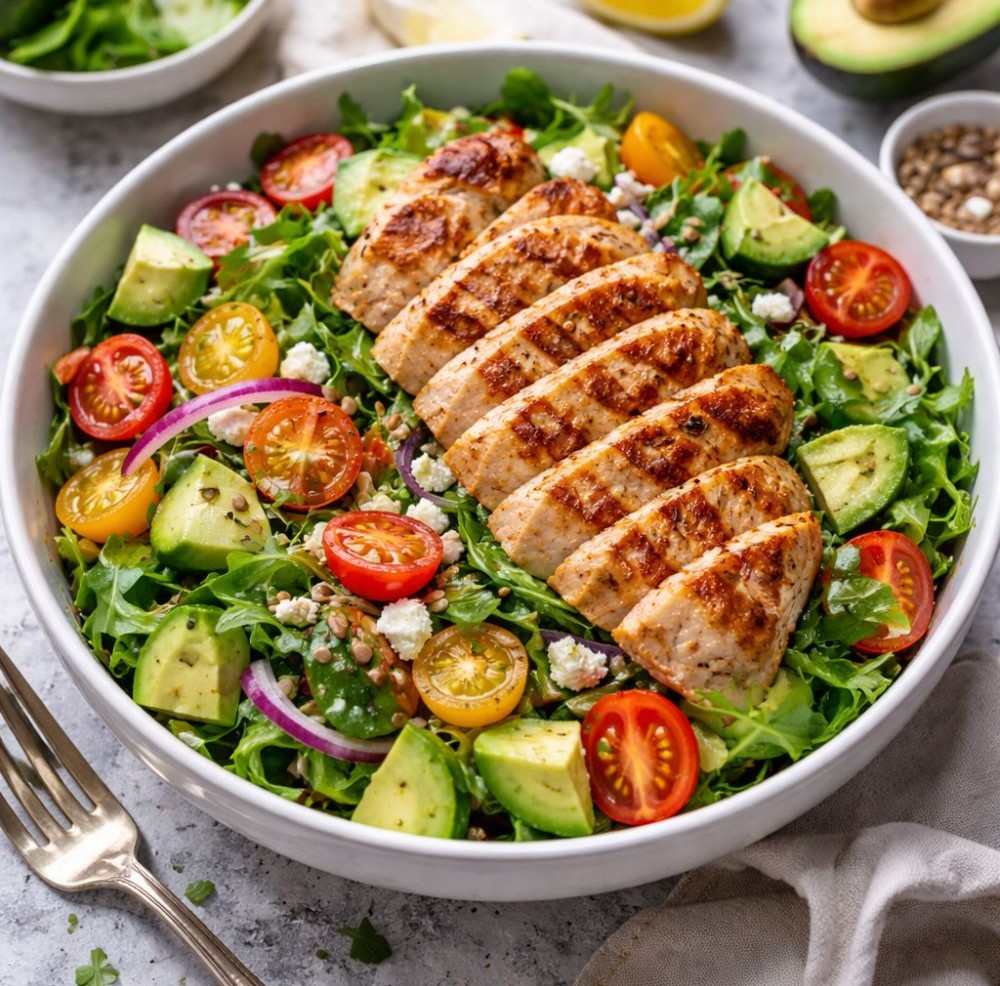
5. More sustainable weight loss, less weight regain
One of the biggest mistakes of rapid diets is that they do not teach you to eat mindfully and maintain a lifestyle.
Avocado, however:
- Can easily be incorporated into everyday meals, whether for breakfast, lunch, or dinner.
- Is not a forbidden food, but a mindful and nutritious choice in your diet.
- Is not “cheating” in a diet, but a smart ingredient that ensures fullness.
This is why one of the biggest advantages of dieting with avocado is that:
- It is not built on extreme restrictions, but on balanced eating.
- It is not a temporary solution, but a gradual and sustainable change.
- It can be maintained in the long run, so it can bring real and lasting results.
This reduces the chance of the lost pounds coming back. Source

6. Motivating feedback on the scale
When weight loss is not sudden but gradual, many people lose their enthusiasm.
Avocado, however:
- Helps avoid stagnation, as it provides a long-lasting feeling of fullness.
- Supports steady weight loss, alongside stable blood sugar and balanced metabolism.
- Does not disrupt your body’s functioning, as it is a natural, nutrient-rich ingredient.
How to use avocado well while dieting?
Pay attention to these:
- Portion: half or one smaller avocado is more than enough.
- Timing: it is ideal with main meals.
- Combination: it works best with protein and vegetables.
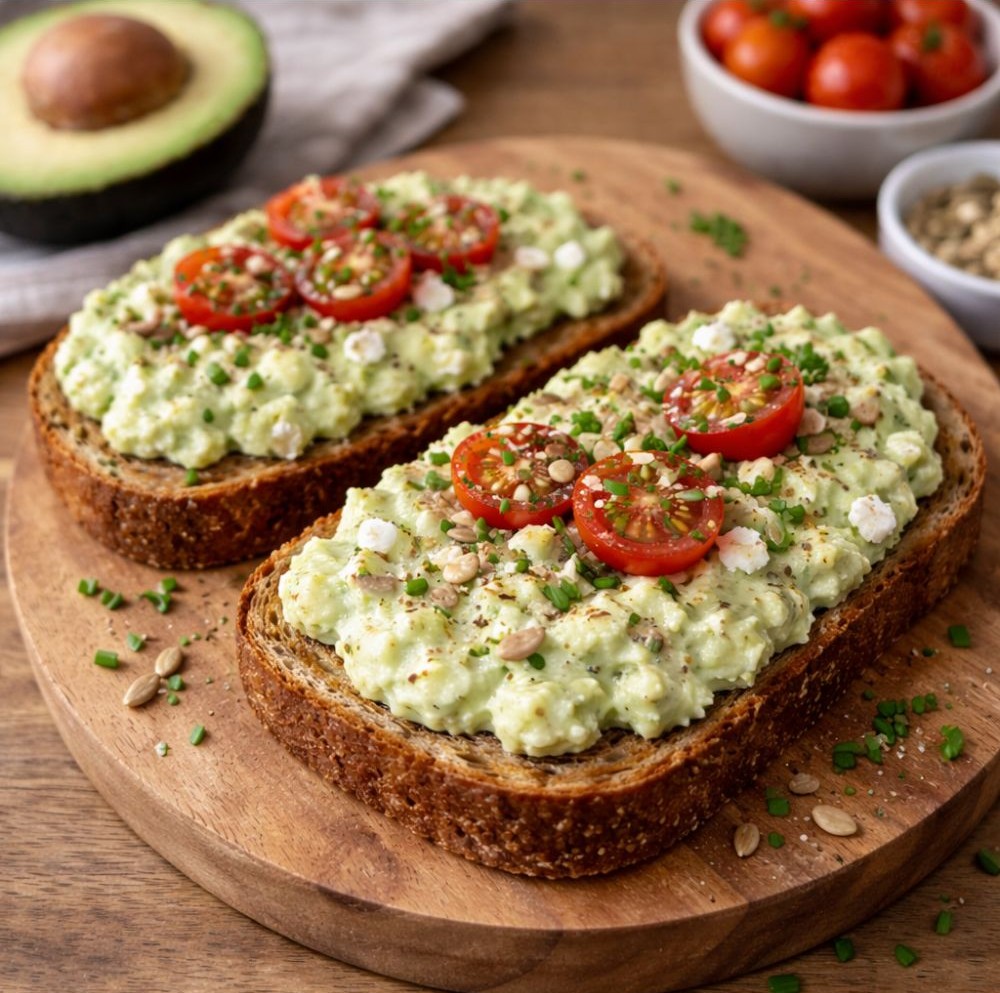
Avocado cottage cheese spread on whole grain bread
Ingredients (for 1 to 2 servings)
- 1 ripe avocado
- 100 g of cottage cheese (creamy or chunky)
- 1 teaspoon of lemon juice
- 1 tablespoon of plain yogurt or sour cream (optional, for creaminess)
- Salt and freshly ground pepper to taste
- 2 slices of whole grain bread
Preparation
- Cut the avocado in half, remove the pit, then scoop the flesh into a bowl.
- Mash it with a fork, then add the cottage cheese.
- Mix in the lemon juice and the yogurt or sour cream if you want a creamier texture.
- Add salt and pepper, then mix it together thoroughly.
- Toast the bread slices, then spread the avocado cottage cheese mixture on them.
Serving ideas
- With fresh vegetables: tomato, cucumber, radish.
- Sprinkle sunflower seeds or pumpkin seeds on top.
- Add a boiled egg or smoked salmon for a higher protein version.
Why is it a good choice?
- It is a high-protein yet light meal.
- It provides a long-lasting feeling of fullness.
- It is quick to prepare, ideal for breakfast or dinner.
Avocado recipes in your diet – what is worth choosing?
Avocado recipes support weight loss when they are:
- Simple.
- Not too fatty.
- Not built on processed ingredients.
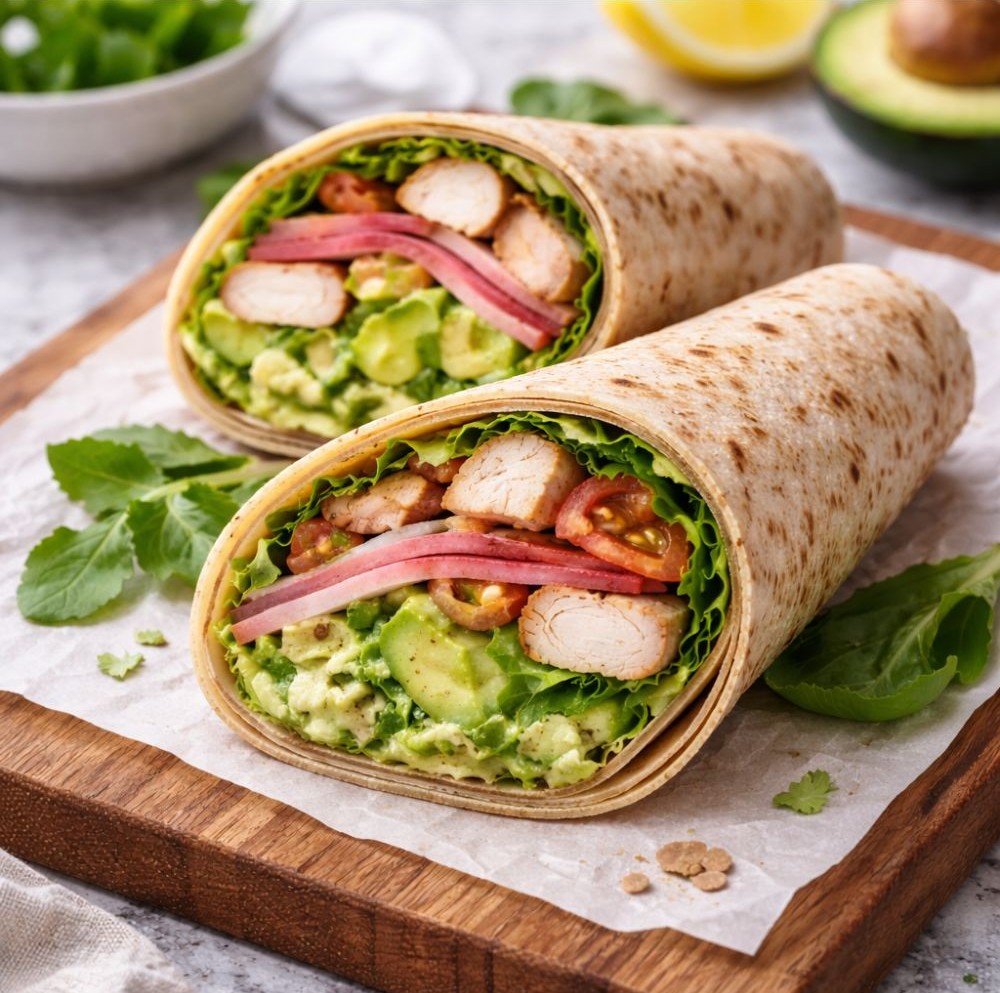
An avocado tortilla is a great example of how to make a filling meal with just a few ingredients.
Avocado chicken and ham wrap in whole grain tortilla
Ingredients (for 2 wraps)
- 2 whole grain tortillas
- 1 chicken breast fillet
- 4 slices of lean ham
- 1 ripe avocado
- 1 handful of fresh salad leaves
- 1 smaller tomato (sliced)
- 2 tablespoons of plain yogurt or Greek yogurt
- 1 teaspoon of lemon juice
- 1 teaspoon of olive oil
- Salt and pepper to taste
- A pinch of garlic powder or fresh crushed garlic (optional)
Preparation
- Season the chicken breast with salt and pepper, and drizzle it with the olive oil.
- Cook it in a hot pan for 4 to 5 minutes per side, until golden brown and fully cooked through.
- Let it rest for a few minutes, then cut it into thin strips.
- Mash the avocado with a fork, then mix in the lemon juice, a pinch of salt, and the yogurt to get a creamy spread.
- Briefly heat the tortillas in a dry pan or microwave so they can be rolled up easily.
- Spread the avocado cream on the tortillas.
- Place the salad leaves, tomato, chicken strips, and ham on top.
- Roll them up tightly, then serve cut in half.
Tips
- For extra crunch, you can add cucumber or grated carrot.
- If you are craving a spicier flavor, add a little mustard or hot sauce.
- It is also ideal for meal prep: wrapped in foil, it can be stored in the refrigerator for 1 day.
Related articles
7 avocado benefits your body will literally love
5 avocado recipes for breakfast that keep you full and give you energy all morning
Frequently Asked Questions
No, because the fat in avocado is a monounsaturated, healthy fat that slows the onset of hunger and helps you eat less throughout the day.
Half or one smaller avocado is plenty for one meal, ideally eaten as part of a main meal, combined with protein and vegetables.
Because it keeps you feeling full for a long time and stabilizes blood sugar levels, so the sudden “just one more bite” urge doesn’t build up between meals.
It slows down the absorption of carbohydrates and reduces insulin spikes, which results in a more stable hormonal balance and steadier weight loss.
Yes, as a natural source of fiber it supports digestion and gut function, and the effect is often noticeable within just a few weeks.
It is most ideal as part of a main meal — it can be included at breakfast, lunch, or dinner, paired with protein and vegetables.
Because it is not based on extreme restriction but on balanced, enjoyable meals, which reduces the chance of regaining weight after the diet.
The avocado cottage cheese spread with whole grain bread is a great start: it is high in protein, quick to make, and provides long-lasting fullness.
Summary
Avocado is not the enemy of dieting. It is an ingredient that, when used mindfully, actively supports weight loss. Its healthy fat content, high fiber content, and nutrient-rich composition help stabilize blood sugar levels, reduce hunger attacks, and provide a feeling of fullness for longer.
The effect of regular, moderate avocado consumption does not appear overnight. It comes gradually, in the form of less snacking, more steady energy levels, better digestion, and more sustainable weight loss. This type of change is not built on extreme restrictions, but on balanced and livable eating. This makes the lifestyle change maintainable in the long run.
If you incorporate it into your diet wisely, in the right portions and good combinations, avocado will not only be a delicious addition to your everyday life. It will also be a tool that helps you achieve stable, motivating, and lasting results on the scale.
Oatmeal with Avocado and Berries
Ingredients
- 50 g of oats
- 200 ml of milk or plant-based drink
- 1/2 ripe avocado
- 1 handful of berries blueberries, raspberries, or strawberries
- 1 teaspoon of honey or maple syrup optional
- 1 tablespoon of seeds chia, flaxseed, or pumpkin seeds
- A pinch of cinnamon or vanilla optional
Instructions
- Put the oats and milk in a small saucepan.
- Cook over medium heat for 3 to 5 minutes until creamy.
- Meanwhile mash the avocado with a fork to get a smooth cream.
- When the oatmeal is ready, mix the avocado into it.
- Put it in a bowl, then top it with the berries and seeds.
- Sweeten with honey or maple syrup to taste, and sprinkle with cinnamon.
Grilled Chicken Salad with Avocado
Ingredients
For the chicken:
- 2 chicken breast fillets
- 1 tablespoon of olive oil
- 1 teaspoon of lemon juice
- 1 clove of garlic crushed
- Salt and pepper to taste
- 1 teaspoon of dried oregano or basil
For the salad:
- 1 ripe avocado
- 1 handful of cherry tomatoes halved
- 1 smaller cucumber sliced
- 1 handful of mixed salad leaves e.g. arugula, baby spinach
- 1 smaller red onion thinly sliced
Dressing:
- 2 tablespoons of olive oil
- 1 tablespoon of freshly squeezed lemon juice
- 1 teaspoon of honey or maple syrup
- Salt and pepper to taste
Instructions
- Rub the chicken breast with the olive oil, lemon juice, garlic, salt, pepper, and oregano. Let it marinate for at least 15 to 20 minutes.
- Cook the chicken in a hot grill pan or on an outdoor grill for 5 to 6 minutes per side, until golden brown and fully cooked through.
- Let it rest for a few minutes, then slice it into strips.
- In a large bowl, mix together the salad leaves, tomatoes, cucumber, and red onion.
- Cut the avocado into cubes and add it to the salad.
- Mix together the dressing ingredients, then drizzle it over the salad.
- Place the grilled chicken strips on top and serve immediately.
Avocado Cottage Cheese Spread with Whole Grain Bread
Ingredients
- 1 ripe avocado
- 100 g of cottage cheese creamy or chunky
- 1 teaspoon of lemon juice
- 1 tablespoon of plain yogurt or sour cream optional, for creaminess
- Salt and freshly ground pepper to taste
- 2 slices of whole grain bread
Instructions
- Cut the avocado in half, remove the pit, then scoop the flesh into a bowl.
- Mash it with a fork, then add the cottage cheese.
- Mix in the lemon juice and the yogurt or sour cream if you want a creamier texture.
- Add salt and pepper, then mix it together thoroughly.
- Toast the bread slices, then spread the avocado cottage cheese mixture on them.
Avocado Chicken and Ham Wrap in Whole Grain Tortilla
Ingredients
- 2 whole grain tortillas
- 1 chicken breast fillet
- 4 slices of lean ham
- 1 ripe avocado
- 1 handful of fresh salad leaves
- 1 smaller tomato sliced
- 2 tablespoons of plain yogurt or Greek yogurt
- 1 teaspoon of lemon juice
- 1 teaspoon of olive oil
- Salt and pepper to taste
- A pinch of garlic powder or fresh crushed garlic optional
Instructions
- Season the chicken breast with salt and pepper, and drizzle it with the olive oil.
- Cook it in a hot pan for 4 to 5 minutes per side, until golden brown and fully cooked through.
- Let it rest for a few minutes, then cut it into thin strips.
- Mash the avocado with a fork, then mix in the lemon juice, a pinch of salt, and the yogurt to get a creamy spread.
- Briefly heat the tortillas in a dry pan or microwave so they can be rolled up easily.
- Spread the avocado cream on the tortillas.
- Place the salad leaves, tomato, chicken strips, and ham on top.
- Roll them up tightly, then serve cut in half.
Leave a Reply