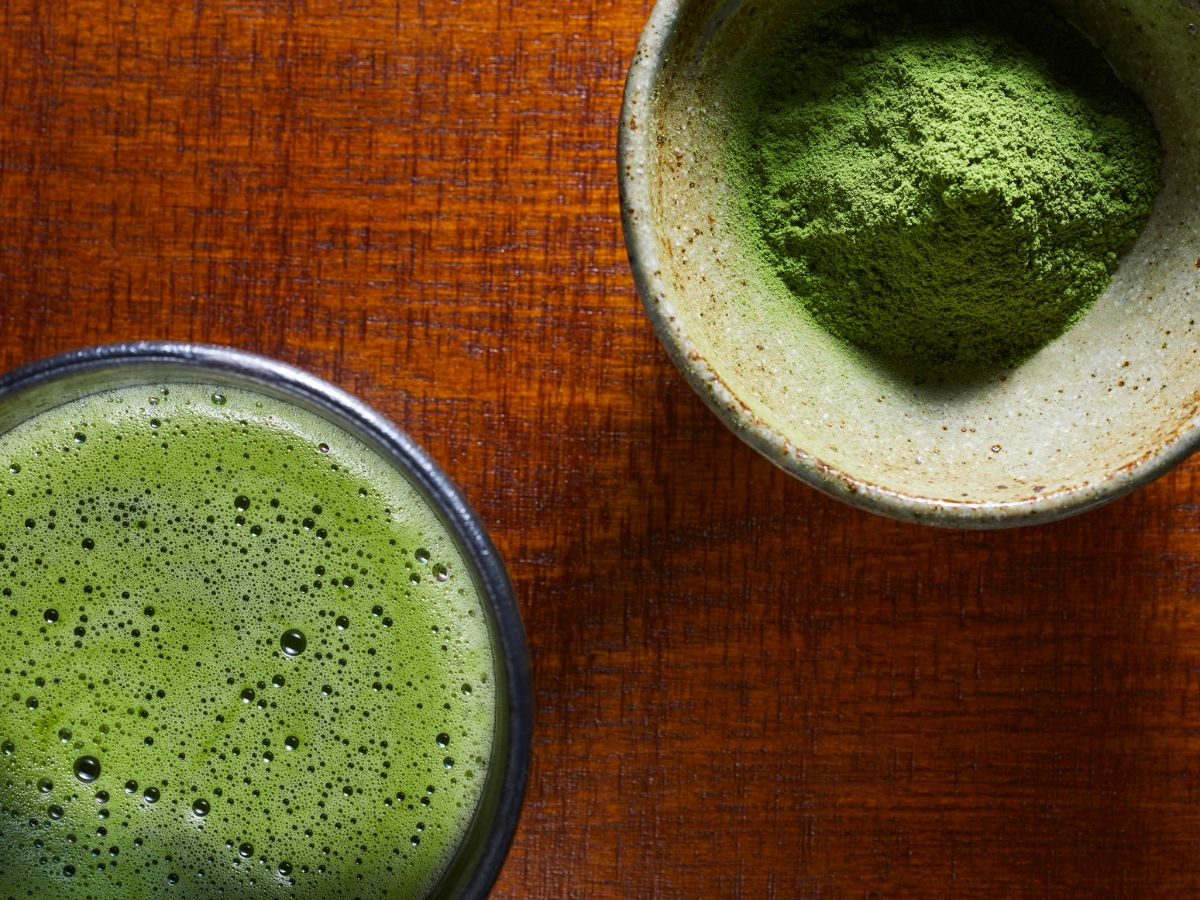
Quick Summary
- Matcha tea (with water): almost calorie-free, and gives the most antioxidants along with the strongest, cleanest energy.
- Matcha latte (with milk): creamier, softer in taste, but the proteins in milk partly bind the antioxidants, and the calorie content is also much higher.
- Both versions contain L-theanine, so the calm, balanced focus remains in either case.
- For weight loss, clean energy, and the maximum intake of active compounds, tea is the better choice.
- If you are just getting to know matcha, or want a creamier, coffee-replacing drink, latte is the friendlier entry point.
Have you ever wondered whether Matcha tea or Matcha latte gives you more energy, better concentration, and real health benefits for your day? If you are going through a lifestyle change, or you are simply looking for a better alternative to coffee, this question has probably already crossed your mind.
Green, creamy Matcha drinks have gained enormous popularity in recent years. You can find the Matcha latte version on the menu of almost every coffee shop. Meanwhile, the original Matcha tea remains one of the purest and most natural energy sources.
But which one is the better choice for you? Which one supports weight loss, concentration, or a healthy lifestyle better? Let us look at the most important differences.

What is Matcha, and why has it become so popular?
Matcha is a finely ground green tea powder made from specially grown tea leaves. The leaves are grown in the shade, so they contain more chlorophyll and nutrients. Then they are ground into a fine powder.
This means that when you drink Matcha tea or Matcha latte, you are not just consuming an extract. You are consuming the entire tea leaf. Because of this, you can deliver far more nutrients, antioxidants, and active compounds to your body.
The benefits of Matcha include:
- It has a high antioxidant content, which supports cell protection and the immune system.
- It provides natural, long-lasting energy without sudden energy crashes.
- It has a concentration-supporting effect, which helps with focused and efficient work.
- It has metabolism-boosting properties, which can contribute to fat burning.
- It contains stress-reducing L-theanine, which provides a calm and balanced energy level.
It is no coincidence that more and more people are choosing Matcha drinks instead of coffee. Source
Related Articles
- 11 irresistible Matcha latte recipes that will make you fall completely in love with Matcha
- 7 shocking differences between green tea and Matcha
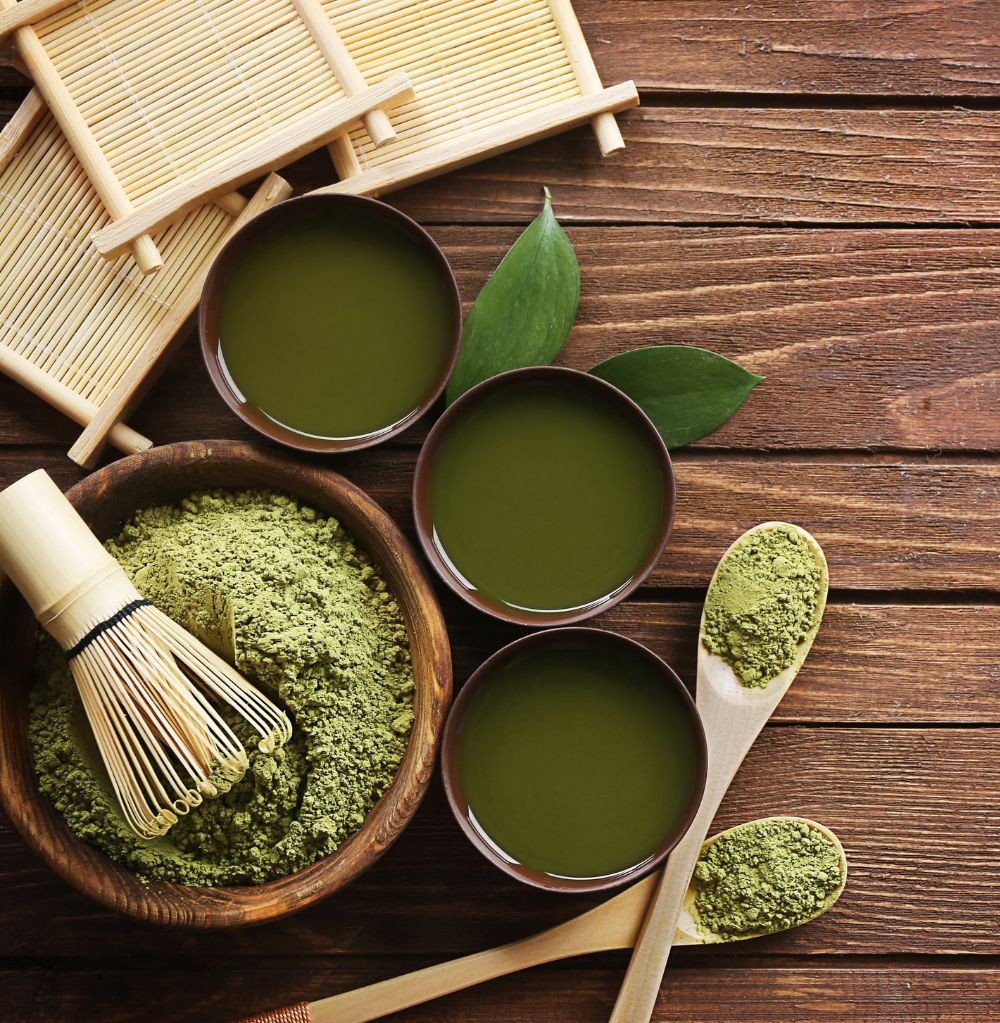
Matcha tea vs Matcha latte – what is the difference?
The base of both drinks is the same: Matcha powder. The difference lies in the preparation and the ingredients.
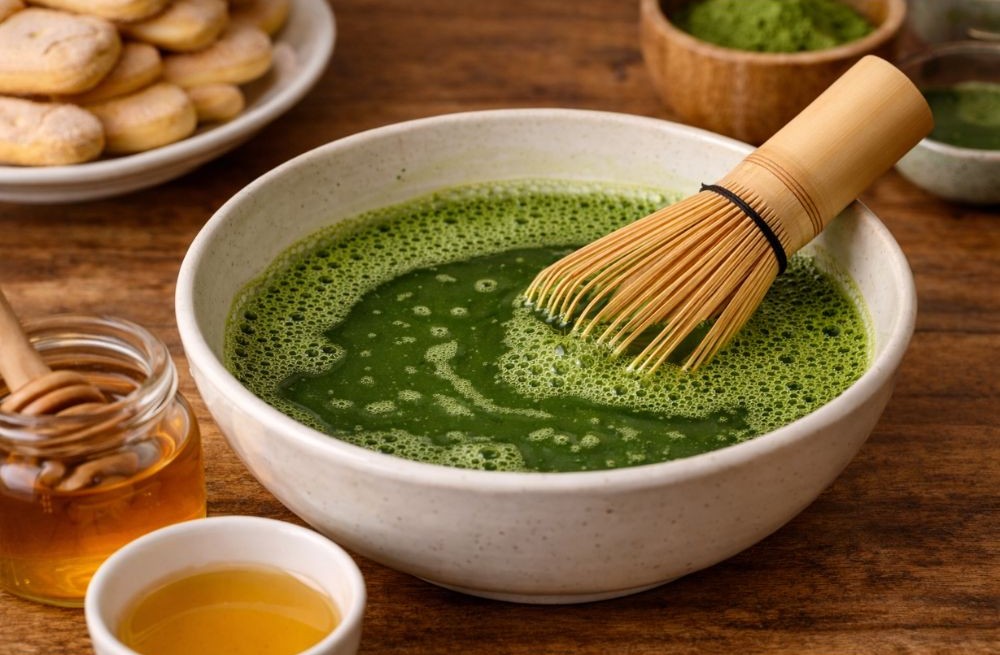
Matcha tea
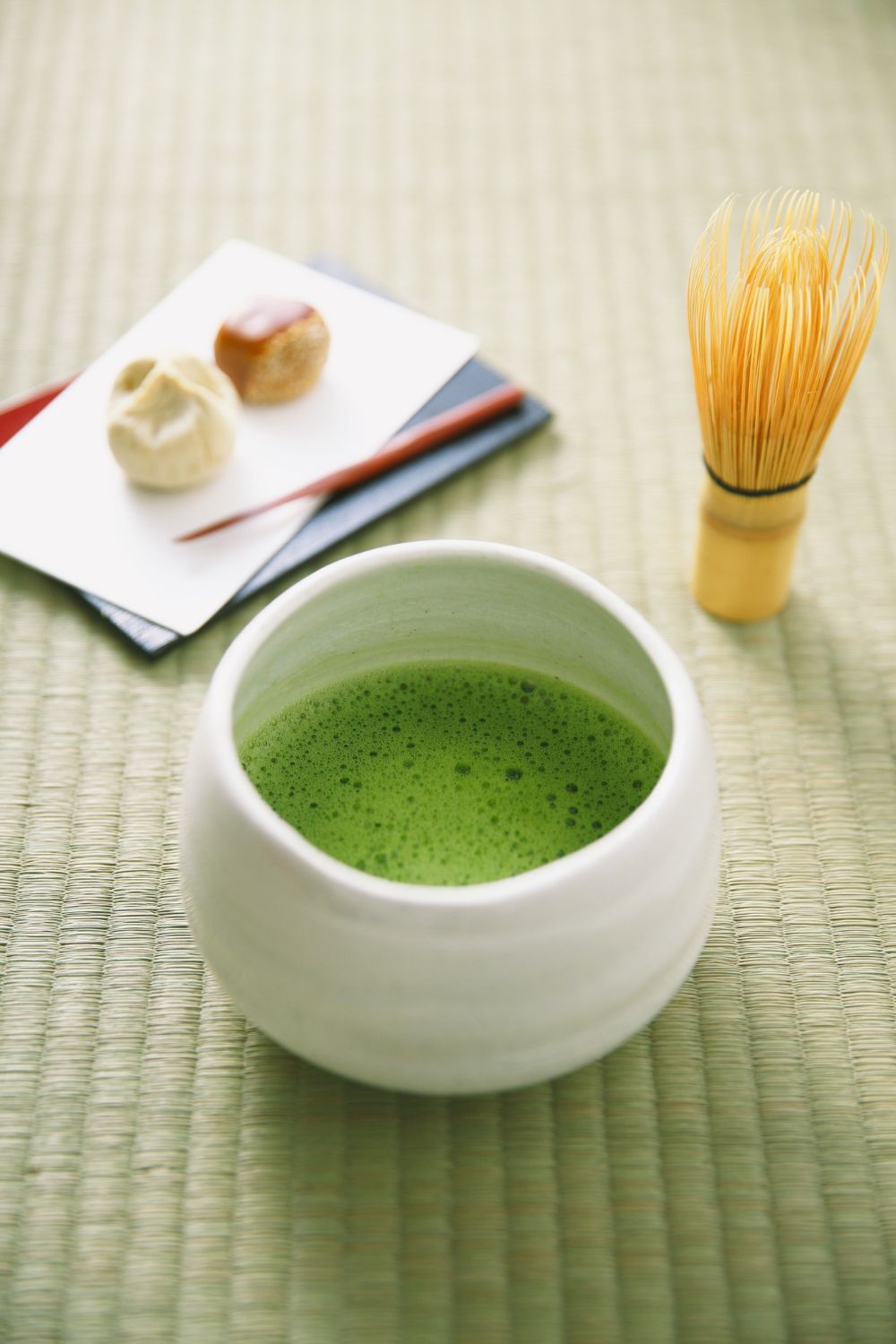
- It is made only from Matcha powder and hot water, so it can be consumed in its simplest, purest form.
- It is low in calories, so it can easily be incorporated into a mindful diet.
- It has an intense, slightly bitter flavor, which reflects the natural, concentrated taste of the tea leaf.
- It has a high antioxidant concentration, because you consume the entire tea leaf in the drink.
This is the form that provides the most Matcha benefits.
Matcha latte
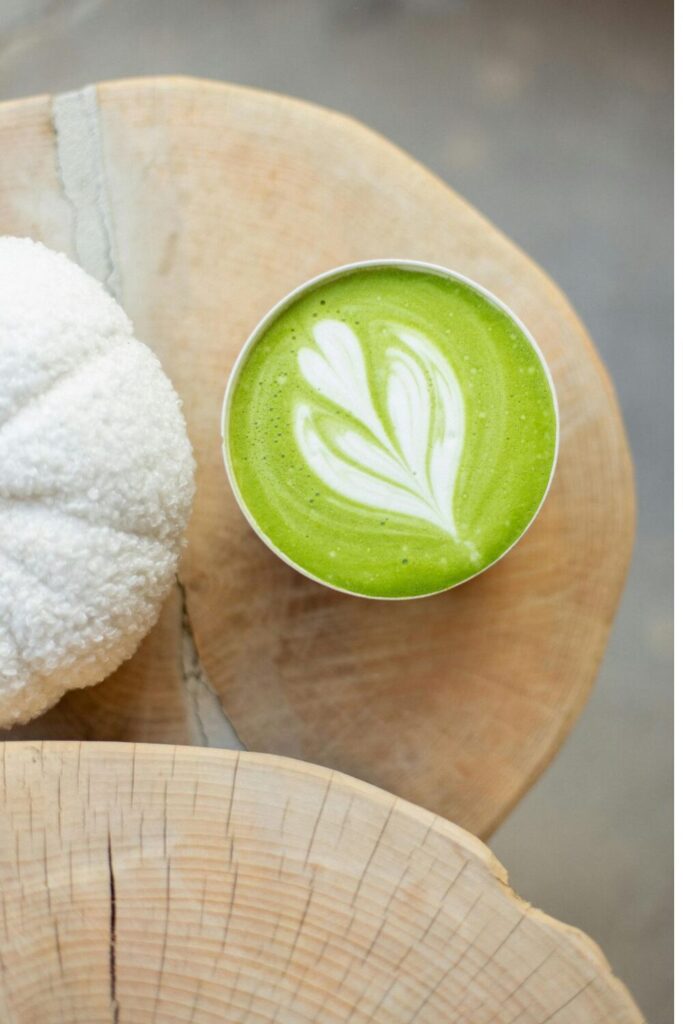
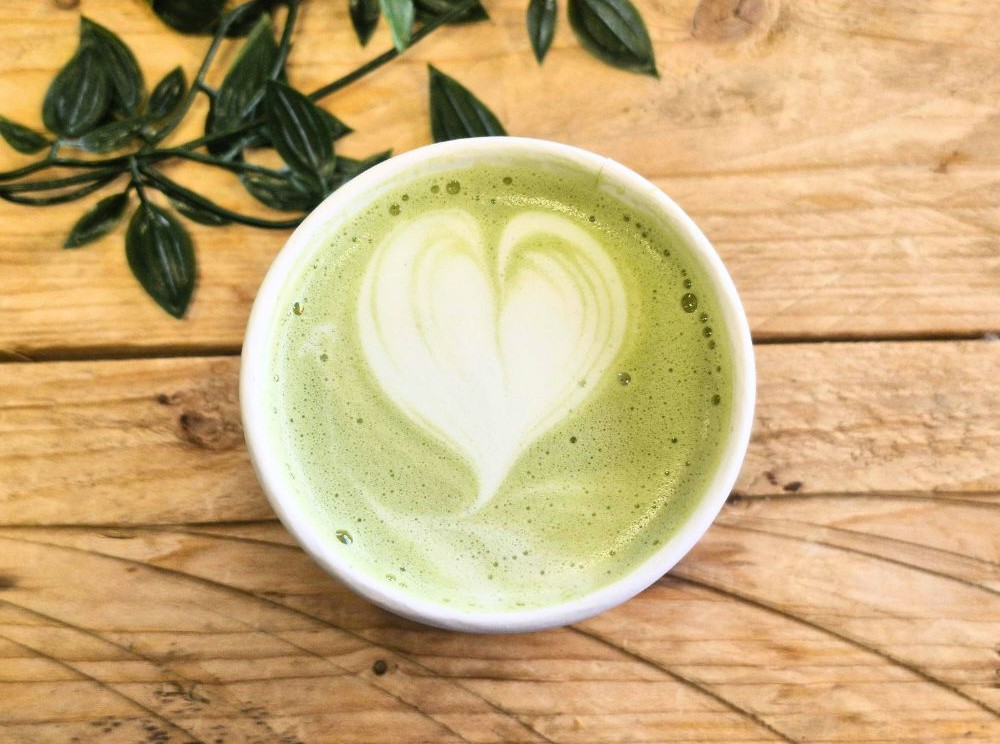
- It is made from Matcha powder and milk or a plant-based drink, resulting in a creamier, softer drink.
- It is often consumed sweetened, to give it an even more pleasant, dessert-like flavor.
- It has a creamy, softer flavor profile, so it is also ideal for those who are just getting to know Matcha.
- It is higher in calories, because the milk or plant-based drink and any added sweetener contribute extra energy to the drink.
The Matcha latte is ideal for those who are just getting to know the world of Matcha drinks, or who do not like bitter flavors. Source
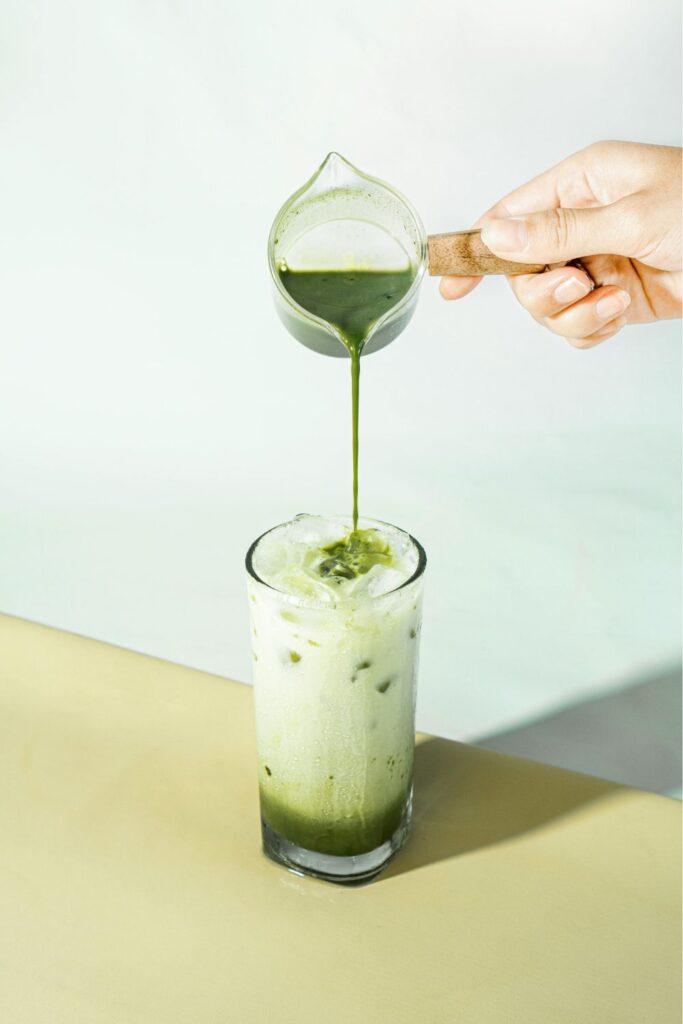
1. Difference: calorie content
If your goal is weight loss or a lifestyle change, this is one of the most important differences.
Matcha tea:
- It is almost calorie-free, so it can easily be incorporated into any diet.
- It is ideal during a diet, as it does not increase your daily calorie intake with unnecessary calories.
- It contains no added sugar, so it can be consumed in its natural form.
- An average cup of about 200 ml (1 teaspoon, i.e. about 1–2 g of matcha powder, plus water) contains roughly 5–10 kcal, so it can practically be considered calorie-free.
Matcha latte:
- Depending on the milk and sweetener used, it can be higher in calories, so it is worth putting it together mindfully.
- It can easily become a sugary dessert drink if a lot of syrup or sugar is added to it.
- In coffee shops it can often be a hidden source of sugar, as pre-mixed powders and syrups can contain significant amounts of sugar.
- An average serving of about 250 ml made with milk (e.g. 2% cow’s milk) and no added sugar contains roughly 90–120 kcal on average, while a coffee-shop version with syrup can climb above 150–200 kcal.
If your goal is weight loss, Matcha tea is clearly the better choice. Source
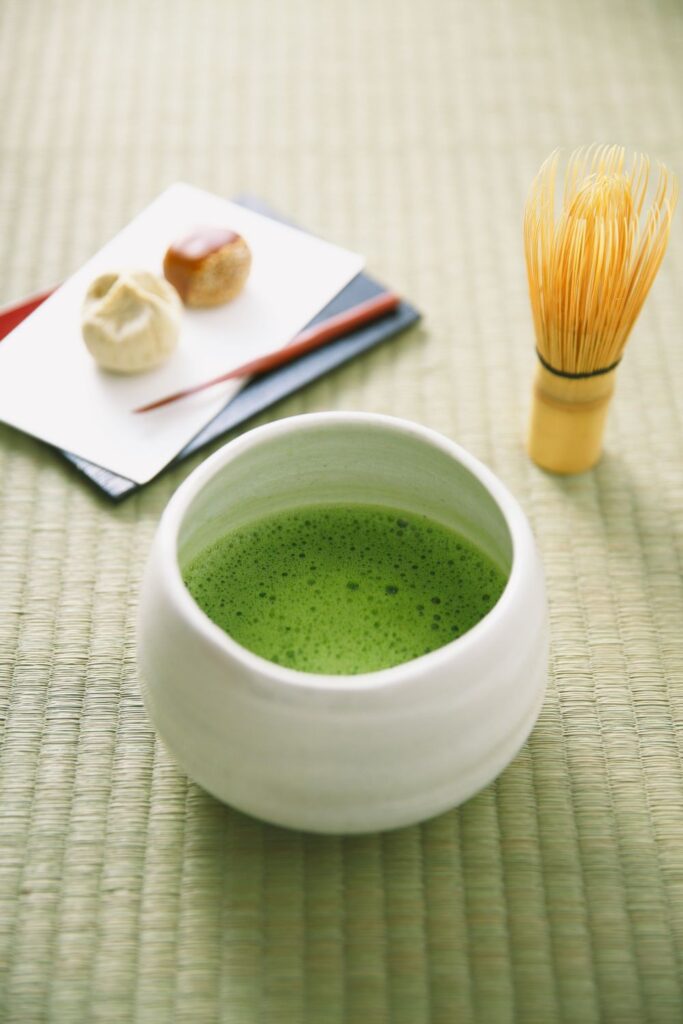
2. Difference: antioxidant content
One of Matcha’s greatest strengths is its antioxidant content.
Matcha tea:
- It is a concentrated source of antioxidants, which helps the body’s ability to defend itself.
- It contains the entire tea leaf directly, so more nutrients enter your body.
- It supports cell health, by neutralizing harmful free radicals.
Matcha latte:
- It does contain antioxidants, as it also carries the valuable active compounds of the Matcha powder.
- However, the milk and sweeteners can dilute the effect, so the antioxidant concentration of the drink may be lower than that of pure Matcha tea.
If you are choosing this drink because of Matcha’s benefits, tea is the more effective form. Source

3. Difference: energy level and caffeine
Matcha is special in that it contains both caffeine and L-theanine.
This combination:
- Provides long-lasting energy for 6 to 8 hours, without causing sudden fatigue.
- Does not cause nervousness or overstimulation, as it has a balanced effect.
- Improves concentration, helping with focused and efficient work.
Matcha tea:
- Has a higher caffeine concentration, because you consume Matcha in its pure form.
- In concrete terms: an average serving (about 1–2 g of matcha powder with roughly 200 ml of water) typically contains 60–70 mg of caffeine – about the same as an espresso (around 63 mg).
- Provides clean, stable energy, without a sudden spike or energy crash.
Matcha latte:
- The milk dilutes the caffeine, so the energizing effect may be milder.
- Gives a softer, less intense effect, which is ideal for those who are more sensitive to caffeine.
- In concrete terms: a latte made with the same amount of matcha powder typically contains about 45–55 mg of caffeine per serving, since many recipes use a less concentrated amount of powder and the milk also slows absorption.
If you are looking for an energizing alternative to coffee, Matcha tea is the stronger choice. Source

4. Difference: taste experience
Taste often determines which Matcha drink will become your favorite.
The taste of Matcha tea:
- Earthy, which gives the drink a natural, green tea character.
- Slightly bitter, which comes from the active compounds in the concentrated tea leaf.
- Umami in nature, which provides a richer and deeper taste experience.
The taste of Matcha latte:
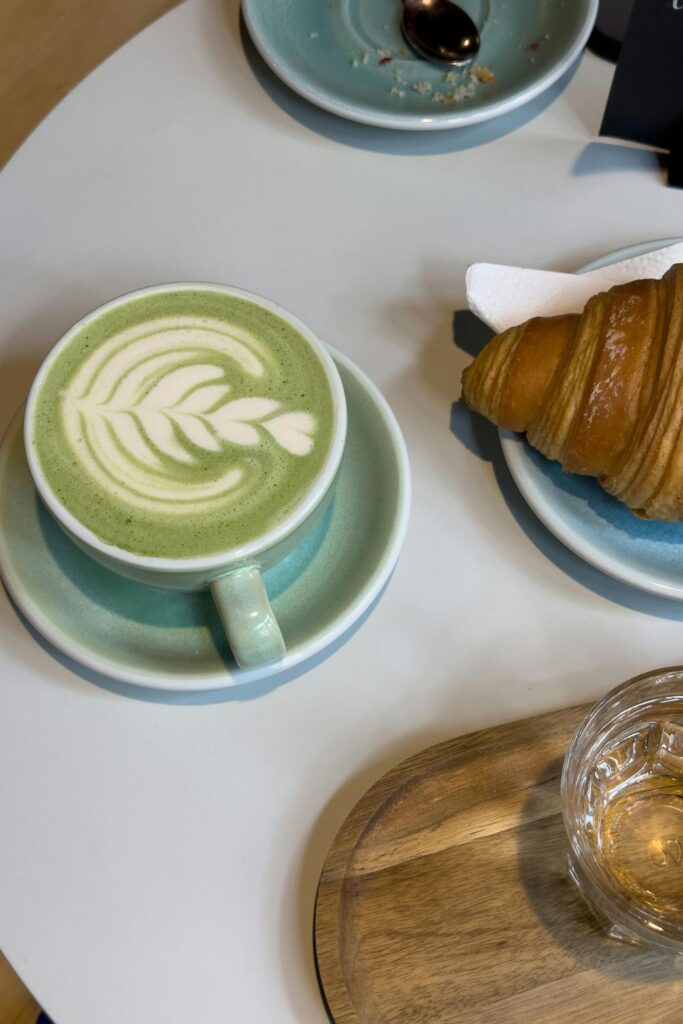
- Creamy, as the milk or plant-based drink gives it a softer texture.
- Softer, so it is easier to consume even for those who are just getting to know Matcha.
- Mildly sweet, especially when made with milk or a light sweetener.
If you have only been drinking coffee until now, a Matcha latte can mean a much easier transition. Source
5. Difference: nutrient profile
The nutrient composition of the two Matcha drinks also differs.
Matcha tea:
- It is a pure nutrient source, because you consume the entire tea leaf in the drink.
- It has a high antioxidant and phytonutrient content, which supports cell health.
Matcha latte:
- It provides extra calcium and protein from the milk or plant-based drink.
- However, it also contains more fat and calories, especially when sweetened.
This means that the Matcha latte is more of a nutritious drink, while Matcha tea is a concentrated source of active compounds. Source

6. Difference: weight loss and metabolism
One of Matcha’s best known effects is its metabolism support.
Matcha tea:
- Can boost fat burning, as its natural active compounds support energy use.
- Supports metabolism, so it can help with more efficient calorie burning.
- Is ideal during a lifestyle change, as it provides lasting energy while being low in calories.
Matcha latte:
- The added sugar and milk can reduce this effect.
- It can easily become a high-calorie drink.
If weight loss is your goal, it is worth turning to Matcha tea.
When should you choose matcha tea?
Matcha tea is the ideal choice if:
- You want to lose weight.
- You are looking for a clean energy source.
- Antioxidant intake is important to you.
- You want to minimize calories.
This form provides the most matcha benefits and experience.
When is matcha latte the better choice?
Matcha latte can be a good choice if:
- You are just getting to know matcha drinks.
- You do not like bitter flavors.
- You want a more filling, creamy drink.
- You are looking for an alternative to coffee.
A matcha latte can be a transitional step toward healthier habits.
| Criterion | Matcha tea | Matcha latte |
| Calorie content | Almost calorie-free, no added sugar (about 5–10 kcal/cup) | Higher, due to the milk and any added sweetener (about 90–150+ kcal/cup) |
| Antioxidant content | Concentrated, since you consume the whole tea leaf | Lower, because the milk protein (casein) binds EGCG |
| Caffeine / energy | Stronger, cleaner, longer-lasting energy (about 60–70 mg caffeine/serving) | Milder, as the milk dilutes the effect (about 45–55 mg caffeine/serving) |
| Taste | Earthy, slightly bitter, umami | Creamy, soft, mildly sweet |
| Nutrient profile | Concentrated antioxidant and phytonutrient source | Extra calcium and protein, but also more fat |
| Weight loss / metabolism | Supports fat burning, alongside a low calorie content | The sugar and milk can weaken this effect |
| Who it’s recommended for | Those wanting to lose weight, or looking for clean energy | Those just getting to know matcha, or looking for a coffee replacement |
| Preparation | Matcha powder + hot water | Matcha powder + water + milk or plant-based drink + optional sweetener |
How to prepare it at home?
Matcha Tea
Ingredients
- 1 teaspoon matcha powder
- 150 ml hot water not boiling
Instructions
- Sift the matcha powder.
- Pour the hot water over it.
- Whisk until smooth and lump-free.
Video
Notes
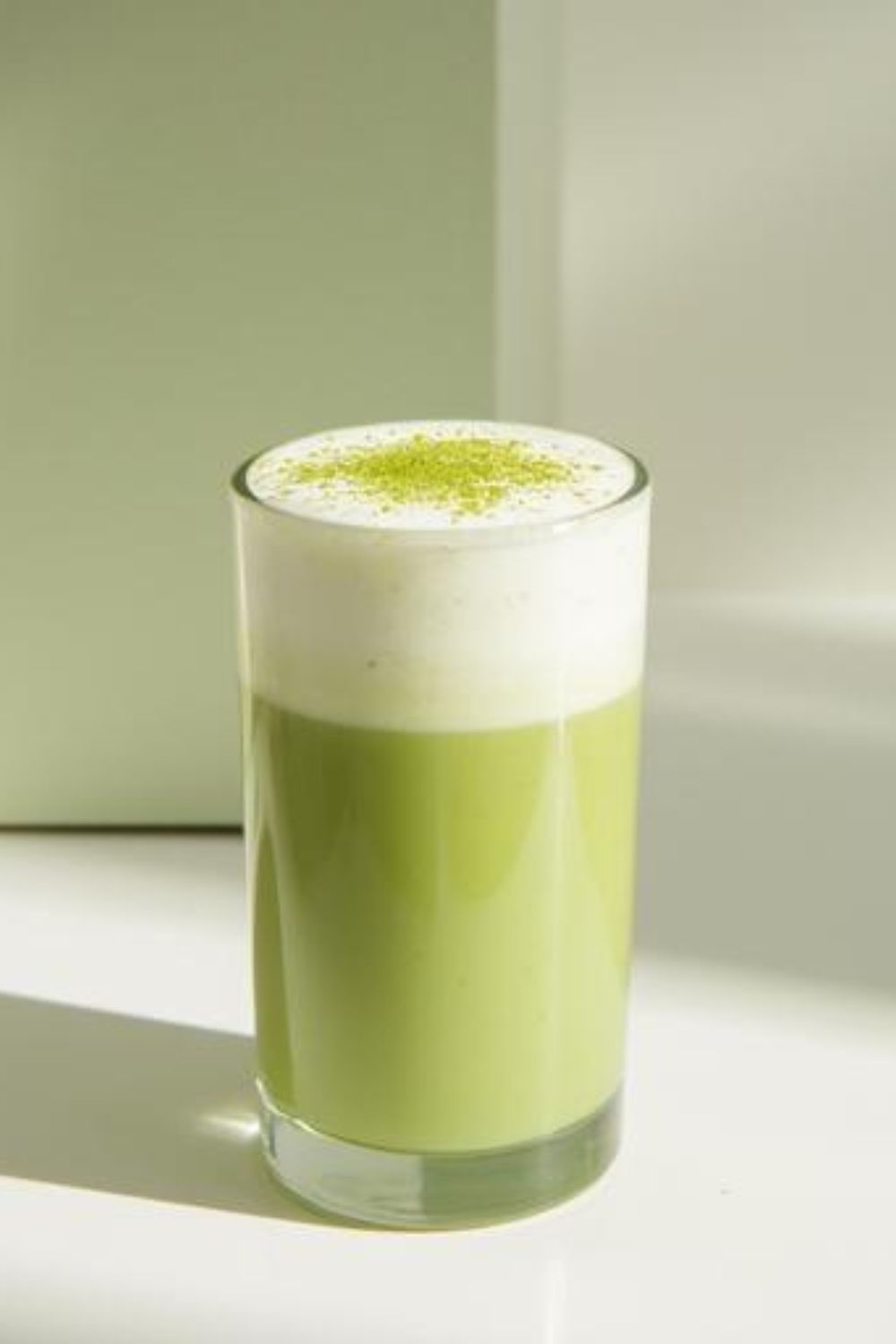
Matcha Latte
Ingredients
- 1 teaspoon matcha powder
- 50 ml hot water
- 150-200 ml milk or plant-based drink
- optional sweetener
Instructions
- Mix the matcha powder with the water.
- Heat the milk.
- Combine them and froth it up.
Video
Related articles:
- The Secrets of Matcha for Women: 8 Effects Your Body Will Love
- Matcha vs Coffee: 8 Reasons to Choose Matcha Over Coffee
- Matcha for Weight Loss?! 5 Facts About How Matcha Helps You Achieve Your Dream Body
Frequently Asked Questions
Matcha tea is made exclusively from matcha powder and hot water, while matcha latte is prepared with milk or a plant-based drink. This difference is also what creates the variations in calories, taste, and antioxidant content.
Matcha tea, since it’s practically calorie-free and contains no added sugar or milk, both of which can easily raise the daily calorie intake in a latte.
The protein in milk, called casein, binds to EGCG (one of matcha’s most important antioxidants), which reduces its absorption in the body.
Matcha tea, because it contains caffeine in a purer, more concentrated form. In a latte, the milk dilutes this effect, making the energizing sensation milder.
Matcha latte, since it’s creamier, milder, and less bitter, making it an easier transition, especially if you’re used to drinking coffee.
Yes, the catechins and tannins it contains can inhibit the absorption of plant-based iron. It’s best to have matcha 1-2 hours before or after a meal, and if you’re iron-deficient, it may be worth considering a supplement as well.
It depends on what you’re looking at: matcha tea is the more concentrated source of antioxidants and phytonutrients, while the latte provides extra calcium and protein from the milk, at the cost of more fat and calories.
Both are quick to make: the tea just needs hot water and whisking, while the latte also requires heating and frothing the milk.
Both can be good alternatives: if you’re after stronger, purer energy, tea is closer to coffee in effect, while if you prefer a creamy texture and a milder caffeine kick, the latte is the more comfortable switch.
You could start with the latte to ease into the habit, then gradually switch to pure matcha tea to take advantage of its stronger, more nutrient-rich benefits.
Summary
Matcha or and matcha latte are made from the same base ingredient. Yet they can play completely different roles in everyday life. Matcha tea is the pure, concentrated form. It is a low-calorie, high-antioxidant drink that can provide stronger, lasting energy and more effective metabolism support. This makes it a particularly good choice for weight loss, lifestyle change, or replacing coffee.
Matcha latte, on the other hand, is a creamier, softer-flavored drink. Thanks to the milk or plant-based drink, it can be more nutritious but also higher in calories, especially when sweetened. It is more of an enjoyable, filling drink. It is ideal for those who are just getting to know the world of matcha, or who are looking for a more dessert-like and calming alternative.
The choice therefore depends on your goals. If you are aiming for pure active compounds, support for weight loss, and a stronger energy boost, matcha tea is the better decision. However, if you want a creamy, coffee-replacing, more enjoyable drink, matcha latte may be the ideal option for you.
Leave a Reply